



Popular Articles
How to Remove Car Scratches Like a Professional
2026.01.26
ARMR PPF: The Complete Guide to Next-Level Paint Protection Film
2026.01.26
Fresh Coat Ceramic Coating for Wraps: The Ultimate Protection for Vinyl and PPF
2026.01.26

About Company
Colorfuul is a global leader in high-end automotive films, offering Color TPU PPF, Transparent PPF, PET Window Films, and Vinyl Wrapping. With exports to over 100 countries, we deliver consistent quality, competitive pricing, and professional service. Beyond production, we provide OEM/ODM customization, shaping the future of automotive aesthetics.
 mary@colorfuul.com
  86 13541196952
 How to Remove Car Scratches Like a Professional
Few things are more frustrating for a car owner than discovering a scratch on your vehicle’s paint. Whether it’s a tiny mark from a shopping cart or a deeper scrape from road debris, these blemishes can diminish your car’s appearance and resale value. The good news is that with the right approach, tools, and patience, many scratches can be removed or significantly reduced — just like a professional would do.
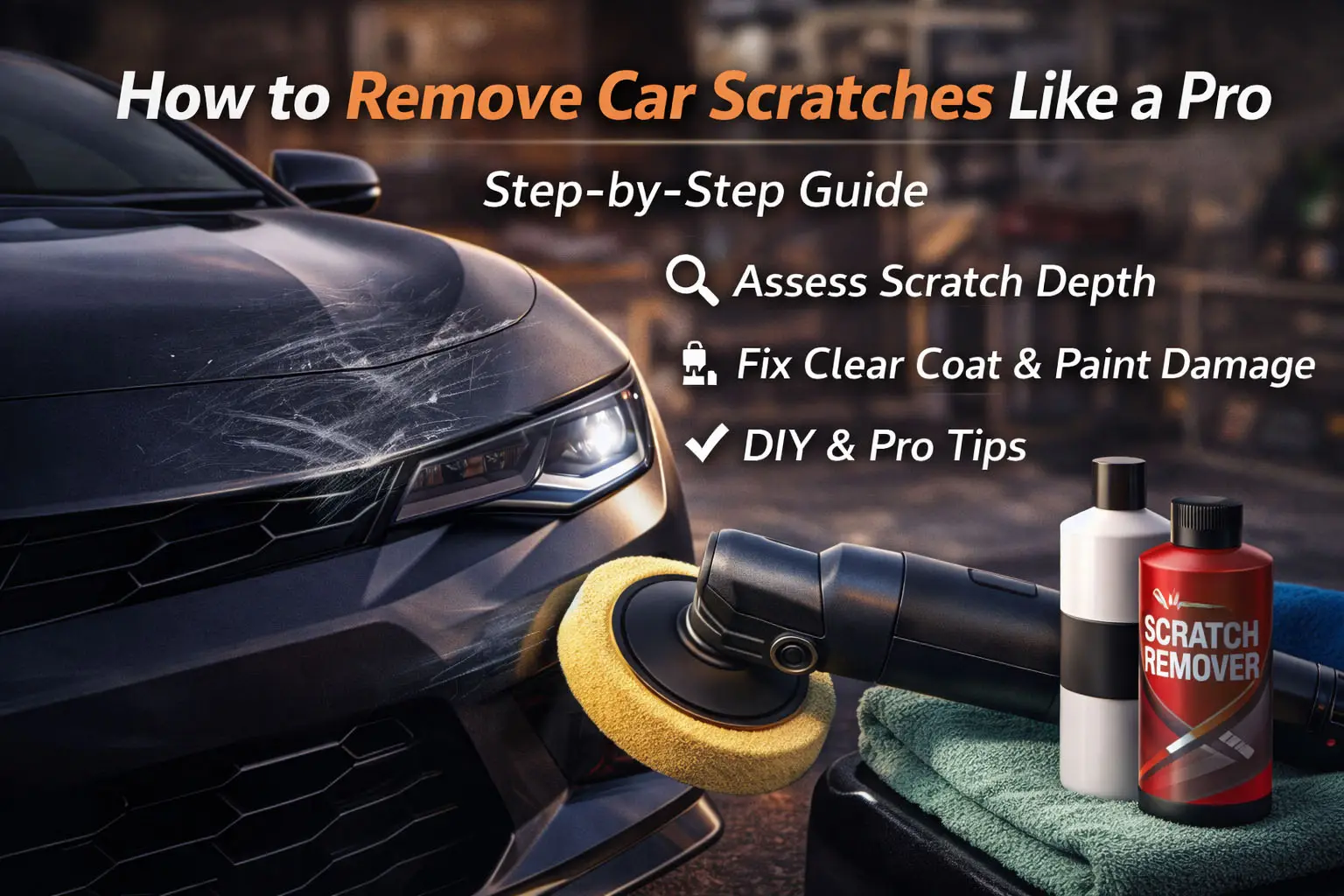
In this comprehensive guide, we’ll walk you through the steps to assess and remove scratches, explain when it’s appropriate to tackle the job yourself, and share tips for preventing future paint damage.
Understanding Scratch Types: Why This Matters
Before you begin repairing scratches, it’s important to determine how deep the damage goes. Automotive paint consists of several layers: a protective clear coat on top, the colored base coat beneath, and then the primer and metal body. Knowing which layer is affected helps you choose the correct repair method.
1. Clear Coat Scratches
These are the most common and least severe type. They only affect the clear coat — the transparent layer that protects your paint. Because this layer doesn’t expose color or metal, shallow clear coat scratches are often removable with polishing.
How to test:
Gently run your fingernail over the scratch. If your nail doesn’t catch, the scratch likely only affects the clear coat.
2. Paint Scratches
These reach into the color layer beneath the clear coat. Paint scratches are deeper and more visible. They often show a lighter color when viewed at an angle. Professional color matching and touch-up paint is usually needed.
3. Deep Scratches
When the scratch has penetrated through the paint and into the primer or metal, it’s considered deep. These can lead to rust if left untreated and almost always require professional repainting.
Step-by-Step: Prepare Before Removing Scratches
1. Clean and Wash the Affected Area
Never try to repair scratches on a dirty surface. Dirt and debris can further abrade the paint when you buff or polish. First, thoroughly wash the scratched area using a mild car shampoo. Then dry with a clean microfiber towel to prevent new swirl marks.
2. Assess the Scratch Depth
Do the fingernail test to understand how severe the scratch is. This will determine whether you can fix it with polishing, or if touch-up paint or professional help is needed.
Remove Shallow Scratches Like a Pro
If the scratch is confined to the clear coat, professional techniques such as polishing or using a cutting compound can significantly improve or remove the appearance of the mark.
Polishing Method
-
Apply a small amount of polishing compound to a foam applicator or microfiber cloth.
-
Use gentle circular motions to work the polish into the scratched area.
-
Continue until the scratch diminishes.
-
Wipe away excess polish with a clean cloth.
Polish can often blend the scratch into the surrounding paint, improving overall appearance. Many car detailers, whether at shops or mobile services, use specialized polishing machines for even more consistent results.
Scratch Remover Products
There are many scratch-specific products available, often labeled as light cutting or swirl removal compounds. Apply them with a soft cloth, again using circular motions. These products gently abrade the clear coat to level out minor defects.
Home Remedies: When They Work (and When They Don’t)
Various household hacks are often suggested, such as toothpaste, baking soda paste, or even nail polish and vinegar solutions. While these can sometimes reduce the visibility of very light surface blemishes, they generally lack consistency and precision compared to professional compounds — and should be used cautiously if at all.
Fixing Deeper Scratches: Accurate Paint Matching and Touch-Ups
If polishing doesn’t work because the scratch penetrates the base coat, you’ll need a more advanced approach.
1. Light Sanding
Gently sanding the area around a paint scratch using fine-grit sandpaper (e.g., 2000 grit) can smooth the edges before paint application. This is best done by experienced hobbyists or professionals to avoid over-sanding.
2. Touch-Up Paint
Select the exact paint code for your vehicle (often found on a label inside the driver’s door or under the hood) and apply a small amount of color-matched touch-up paint to the scratch. Allow it to dry, and follow with a clear coat to match the shine of the surrounding paint.
Professional shops use detailed color-matching tools to ensure a seamless blend, which is particularly important for high-visibility areas.
When to Call a Professional
Even with careful effort, not all scratches can be eliminated at home.
Deep Penetration Into Primer or Metal
If your scratch exposes bare metal, resisting attempts to buff or polish, a professional auto body technician should handle the repair to prevent rust and ensure proper blending.
Large or Complex Areas
For extensive damage, professionals can perform paint correction, blending adjacent panels, and applying finishing techniques that DIY kits cannot replicate.
Finishing Touches for a Professional Look
1. Apply Wax or Sealant
Once scratches are minimized or repaired, applying wax or a paint sealant helps protect the surface and enhance gloss. Regular waxing also adds a layer of defense against future light scratches.
2. Consider Protective Coatings
Professional ceramic coatings or paint protection films create a durable shield against minor abrasions and environmental hazards. These can significantly reduce the frequency and severity of scratches over time.
Prevention: The Best Defense Against Scratches
Avoiding damage in the first place is far easier than repairing it. Here are some effective prevention tips:
-
Gentle washing techniques: Use only soft microfiber towels and clean wash mitts, and avoid automated car washes that use stiff brushes.
-
Choose parking wisely: Park away from tight spaces and busy shopping areas where door dings and cart scratches are common.
-
Protective films and coatings: Ceramic coatings and paint protection film add a sacrificial layer that can absorb light scratches.
Final Thoughts: Maintain Your Car’s Finish Like a Pro
Whether your car has suffered a minor cosmetic blemish or a more serious paint scratch, the right approach can make all the difference. Start by assessing scratch depth, use professional techniques for shallow marks, and seek expert help for deeper damage. With proper care and maintenance, you can preserve your vehicle’s appearance and value for years to come.
Keeping your car looking fresh isn’t just about aesthetics — it’s about protecting your investment. Of course, when in doubt, consulting a trusted automotive detailer or body shop is always a smart choice for more complex paint repairs.


