



Популярные статьи
Понимание долговечности PPF
2026.01.16
Как удалить PPF
2026.01.16
TPU против. TPH против. ПВХ PaTPU против. TPH против. Защитная плёнка ПВХ-краски (PPF)
2026.01.16

О компании
Colorfuul — мировой лидер в области автомобильных фильмов высокого класса, предлагая цветной TPU PPF, Прозрачный PPF, PET Window Films, и виниловая обёртка. Экспорт превышает 100 Стран, Мы обеспечиваем стабильное качество, Конкурентное ценообразование, и профессиональная служба. За пределами производства, мы предоставляем индивидуализацию OEM/ODM, Формирование будущего автомобильной эстетики.
 mary@colorfuul.com
  86 13541196952
 Понимание пленки TPU: Свойства и применения
You’ve been there: that heart-stopping moment when keys scrape against your new phone, or a stray rock chips your car’s perfect paint. We rely on protective products to save us, but the secret ingredient in the best ones is a surprising material that’s far more than just plastic.
That material is Thermoplastic Polyurethane, or TPU for short. Think of it as a unique, rubber-like plastic that combines toughness with incredible flexibility. This is the technology behind products advertised with "самозалечивание" powers, where minor scuffs can seemingly vanish. It’s what makes a quality scratch-resistant transparent film feel almost magical.
This guide explores the core superpowers of TPU film, breaking down how it achieves its impressive durability, ясность, and self-repair abilities. Here's the simple science behind the invisible shield protecting your most valued possessions.
What Does 'Thermo-Plastic' Actually Mean?
To understand what makes TPU so special, consider its full name: Thermoplastic Polyurethane. The key is in that first word. "Термо" means heat, и "пластмасса" means it can be molded. Like a box of crayons, you can melt them down and pour the wax into a new shape. TPU works similarly; it's a material that becomes soft and moldable when heated and then solidifies again as it cools.
This ability to be melted and reformed is precisely why TPU is so versatile. It’s the secret behind how manufacturers can create everything from a thick, shock-absorbing phone case to an impossibly thin and clear paint protection film for a car. The material can be precisely controlled, stretched, and shaped without losing its core strength.
Beyond manufacturing, this property also makes TPU more recyclable than some other plastics. Since it can be melted down and reused, it has a clearer path to being turned into new products instead of ending up in a landfill. This makes it a modern, responsible choice.
The Superpower of Toughness: How TPU Fights Off Scuffs and Tears
Когда речь идёт о защите, we often think “harder is better.” But have you ever seen a rigid plastic phone case crack after a single drop? TPU works differently because it’s not just hard, it's жёсткий. This crucial distinction explains why a flexible material can often provide superior protection against impacts.
Think of the difference between a glass plate and a rubber hockey puck. The glass is hard but brittle—it shatters under pressure. The puck is tough; it absorbs the impact and remains intact. TPU is like that hockey puck. Its molecular structure gives it an incredible ability to absorb shock and resist tearing or puncturing. It’s a shield that bends instead of breaking.
This toughness also translates into excellent abrasion resistance. For a transparent film or phone case, this means it can handle daily encounters with keys, coins, and rough surfaces without looking like it’s been through a battle. It shrugs off the minor scuffs and scrapes that would permanently damage other materials. But some advanced TPU films have an even more impressive answer for deeper scratches.
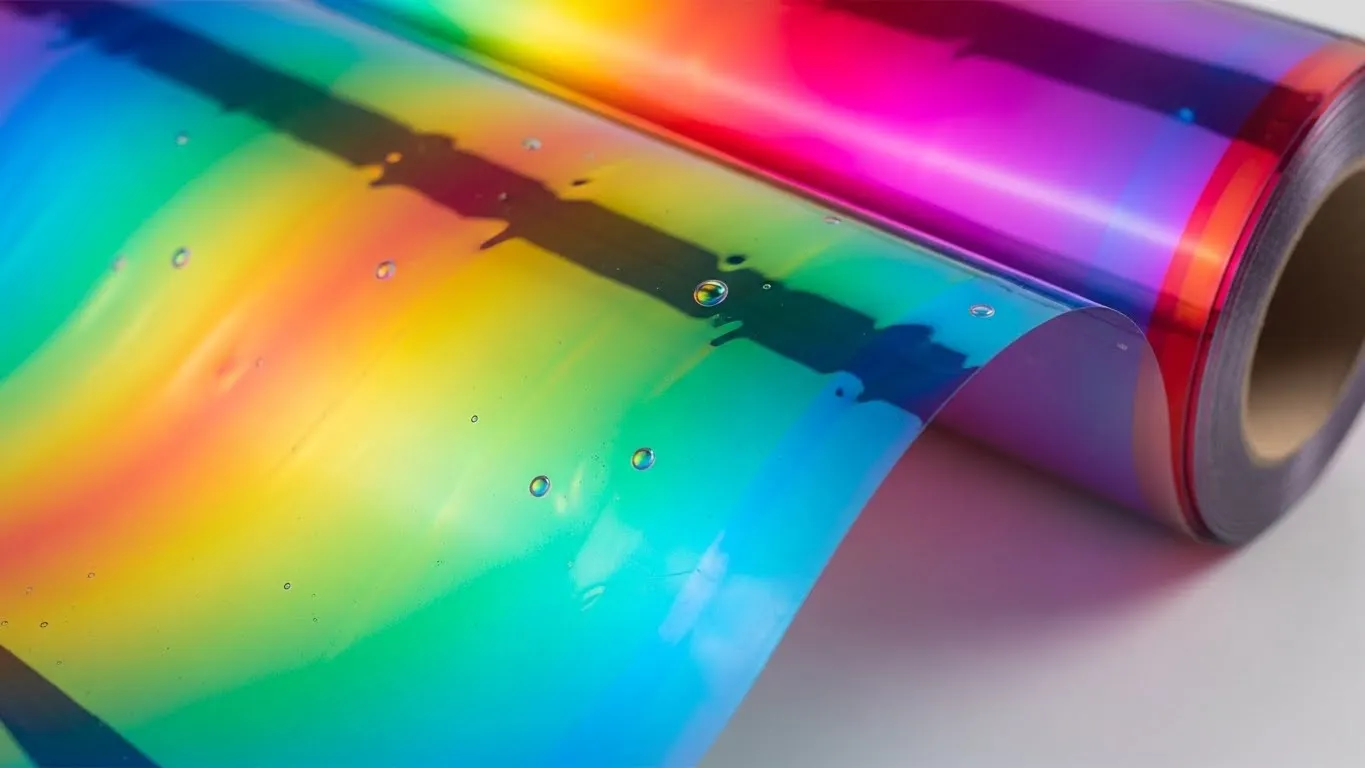
Paint Protection's 'Magic' Trick: How Does Self-Healing TPU Film Work?
It sounds like science fiction: a scratch on your car or phone screen that simply vanishes. For some of the most advanced TPU films, this is a reality. This incredible feature, известный как "самозалечивание," is why high-end TPU film for paint protection (PPF) is so valued. It’s not magic, but a clever property baked into the material’s very structure.
To understand this, imagine the film is made of a dense forest of microscopic, interconnected springs. A light scratch from a fingernail or a stray branch doesn’t actually break these springs—it just pushes them apart, creating a visible dent or line. Because the material’s structure is flexible and resilient, those "springs" naturally want to pull themselves back to their original, uniform position.
While this healing happens naturally over time, a little warmth acts as an accelerator. Sunlight on a warm day, Тёплая вода, or even a careful wave from a heat gun gives the material’s molecules the energy they need to snap back into place almost instantly, erasing fine swirls and light scuffs. The best self-healing film often uses a specific type, like polyether-based TPU, which is exceptionally good at this, whereas a polyester-based TPU might be chosen for other strengths.
This remarkable ability to recover its shape keeps a protected surface looking flawless for years and also plays a role in how the material handles moisture.
Is TPU Film Waterproof? The Secret Behind Your Best Outdoor Gear
The short answer is a resounding yes. Its dense, solid structure creates an impenetrable barrier against liquids, much like a sheet of glass stops rain. Unlike fabric, which has tiny pores water can seep through, TPU film is non-porous. This inherent quality makes it an ideal material for keeping things dry and protected from the elements.
But here’s where TPU gets clever: it can be both waterproof и воздухопроницаемый. While that sounds like a contradiction, it's a game-changer for high-performance apparel. These special films act like a smart gatekeeper; they are designed to block large water droplets (like rain) from getting in while allowing tiny water vapor molecules (your sweat) to escape. This means you stay dry from the outside without feeling clammy on the inside.
This unique dual ability is why you’ll find TPU as a hidden layer in so many premium products. It’s responsible for the durable, гибкий, and waterproof quality of gear like:
-
Lightweight inflatable sleeping pads
-
Welded-seam waterproof bike bags
-
Puncture-resistant hydration reservoirs
This superior performance is a key reason why it's often chosen over other common plastics, like PVC.

TPU против. PVC Film: Why One is the Clear Winner for People and the Planet
When you think of clear, flexible plastic, you might be picturing PVC (Поливинилхлорид)—the material used in everything from shower curtains to inflatable pool toys. While it seems similar to TPU on the surface, there's a crucial difference in how they achieve their flexibility. TPU is naturally soft and elastic, like a high-tech rubber. ПОЛИВИНИЛХЛОРИД, в отличие от них, starts out rigid and needs chemical help to become pliable.
That "help" comes from additives called plasticizers, which often include phthalates. The problem is that these chemicals don’t permanently bond with the PVC; they can leach out over time, which has raised health concerns, especially in products for children. Since TPU's flexibility is part of its core chemistry, it doesn't require these additives, making it a cleaner and more stable material.
This fundamental difference also dictates performance. A key part of the TPU vs. PVC comparison is how they handle the cold. PVC becomes stiff and brittle as temperatures drop, making it prone to cracking. You’ve likely seen this with an old vinyl car window left out in the winter. TPU, однако, remains tough and flexible even in freezing conditions, ensuring it won't fail when you need it most.
Beyond durability, the environmental impact of TPU is far lower than that of PVC. The production and disposal of PVC can release highly toxic pollutants called dioxins. As a more modern polymer, TPU avoids these issues, cementing its role as a superior alternative to older, less-safe plastics.
Beyond Your Phone: 3 Surprising Places You'll Find TPU Film
Given its impressive safety profile, it’s no surprise that one of the most common uses for TPU film is in healthcare. Because it’s free of harsh chemical additives and doesn't irritate human tissue, it’s considered "biocompatible"—safe for use in and on the body. You’ll find TPU film in medical devices like flexible IV bags, transparent wound dressings, and catheter tubing, where stability and non-toxicity are absolutely critical.
Ever wondered how a high-tech rain jacket can keep pounding rain out while letting your sweat escape? The secret is often lamination, where an incredibly thin TPU film is bonded to the fabric. This process creates a material that is completely waterproof from the outside but remains breathable from the inside, turning a standard textile into high-performance gear that keeps you dry and comfortable.
That same blend of toughness and flexibility is pushed to its limits in extreme recreational equipment. Think about the immense air pressure inside a whitewater raft or the leading edge of a kitesurfing kite. Manufacturers use TPU for the internal air bladders because it's incredibly strong, легкий, and can be welded together to create perfectly airtight seams. It provides the reliable durability needed to withstand constant stress and impact without failing.
Так, What's the Verdict on TPU?
Before, "TPU" was just a random jumble of letters you might see on a product box. Сейчас, you can recognize the invisible shield it provides—the very material protecting your phone, автомобиль, and gear from the chaos of daily life. You've gone from seeing a simple piece of plastic to understanding the powerful benefits of polyurethane film.
At its heart, TPU is the material that lets your gear bend without breaking and absorb impacts that would shatter rigid plastics. It’s what makes a product truly durable, shielding it from scuffs and scrapes, and in the case of advanced films, even healing itself from minor damage.
The next time you shop, look for "TPU" in the description. It’s no longer a mystery; it’s your signpost for products built with flexibility and resilience in mind. You now know what TPU film is and can choose your gear with confidence.


