



Popular Articles
Midnight Purple Paint for GTR R34
2026.01.13
Exploring the Allure of Midnight Purple
2026.01.13
Benefits of Using Carbon Fiber Vinyl Wraps
2026.01.13

About Company
Colorfuul is a global leader in high-end automotive films, offering Color TPU PPF, Transparent PPF, PET Window Films, and Vinyl Wrapping. With exports to over 100 countries, we deliver consistent quality, competitive pricing, and professional service. Beyond production, we provide OEM/ODM customization, shaping the future of automotive aesthetics.
 mary@colorfuul.com
  86 13541196952
 Matte vs Gloss TPU PPF: How to Choose the Best Finish
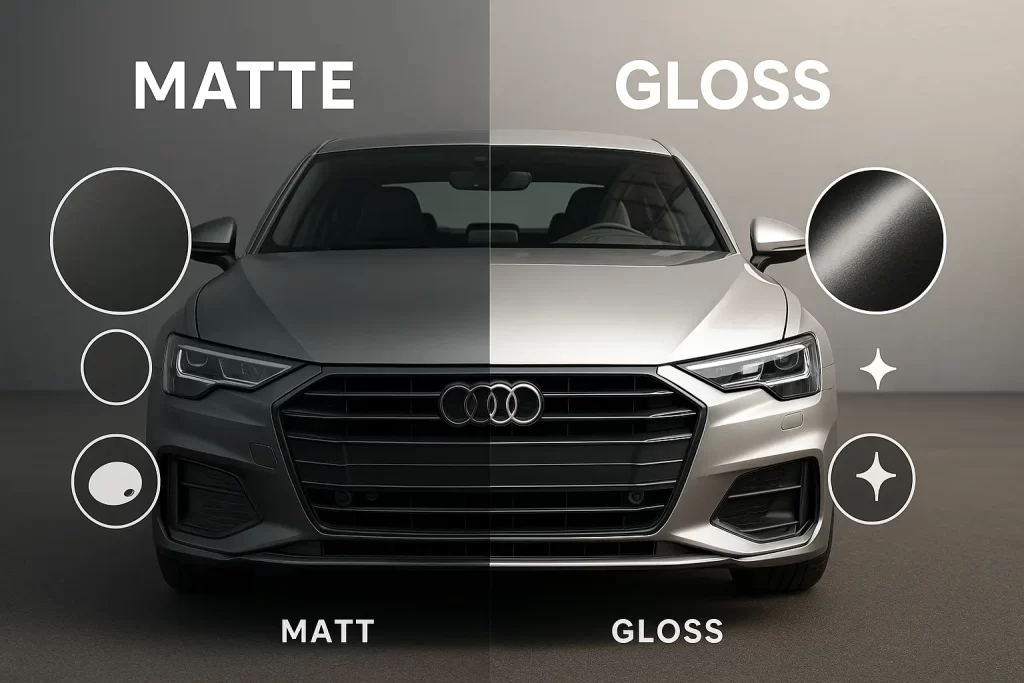
Choosing between a matte vs gloss TPU PPF is one of the most important aesthetic decisions for a vehicle owner. The finish of a paint protection film completely defines a car’s character and visual impact. Gloss offers a classic, wet-look shine that enhances a vehicle's curves. Matte provides a modern, non-reflective appearance that is subtle yet aggressive. Both finishes offer the same high level of protection. The choice comes down to personal style, maintenance preferences, and the desired look. This guide will provide a detailed comparison to help you select the best finish for your vehicle. We will explore every aspect, from visual appeal to long-term care.
Understanding the Gloss Finish
A gloss finish is the traditional and most common surface for automotive paint and protective films. It is designed to be highly reflective, creating a mirror-like shine that accentuates a vehicle's body lines. The goal of a gloss TPU PPF is to replicate and often enhance the look of a brand-new, high-quality factory paint job. It is a timeless and universally appealing choice that exudes a sense of luxury and cleanliness.
What Defines a Gloss Finish?
The defining characteristic of a gloss finish is its high level of sheen and reflectivity. A smooth, non-porous surface reflects light directly back to the viewer's eye with minimal scattering. This is what creates sharp, clear reflections. This "depth" and "wet look" makes colors appear rich and vibrant. A gloss finish makes a vehicle look polished, bright, and meticulously maintained. It is the standard for nearly all new cars from the factory.
How the Gloss Top Coat is Made
The gloss finish is a function of the film's outermost layer, the top coat. In a gloss PPF, this top coat is an extremely smooth, non-porous polyurethane layer. It is engineered at a microscopic level to be as flat as possible. This flatness ensures that light reflects in a uniform direction. The quality of the top coat determines the quality of the gloss. Premium films have a very high-quality top coat that provides exceptional clarity and depth, free from any texture or "orange peel."
The Goal: Mimicking and Enhancing Factory Paint
The primary goal of a gloss color PPF is to look like a perfect paint job. Manufacturers have invested heavily in creating films that are indistinguishable from high-end automotive paint. The technology has advanced so much that a quality gloss PPF can often look better than a factory finish. It can have more depth and clarity. For owners who love the classic, brilliant look of a freshly waxed car, a gloss finish is the ideal choice. It also makes it possible to match PPF to factory paint colors with a familiar texture.
Traditional and Classic Appeal
A gloss finish has a timeless appeal. It has been the standard for vehicles for over a century. It is associated with luxury, performance, and classic beauty. A gloss finish is a safe and universally admired choice that will never go out of style. It is the preferred option for owners of classic cars, luxury sedans, and anyone who wants their vehicle to have a clean, elegant, and vibrant appearance.
Understanding the Matte Finish
A matte finish is the complete opposite of gloss. It is a non-reflective, flat surface that does not shine. Instead of reflecting light directly, it scatters it in many directions. This creates a soft, diffused look that is very modern and unique. Matte finishes have become increasingly popular in the automotive world. They give a vehicle a stealthy, understated, and often more aggressive appearance. It is a bold choice that makes a strong statement.
What Defines a Matte Finish?
A matte finish is defined by its lack of reflectivity and sheen. The surface feels smooth to the touch but appears flat to the eye. This absence of gloss can dramatically alter a vehicle's appearance. It can make colors appear deeper and more saturated in some lights. It also tends to emphasize the overall shape and silhouette of the vehicle rather than its individual body lines and curves. A matte finish is often described as "stealthy," "satin," or "frosted."
How the Matte Top Coat is Made
The matte effect is also created by the film's top coat. To achieve a matte look, the top coat is engineered to have a slightly textured surface at a microscopic level. This texture is too fine to be felt, but it is enough to diffuse and scatter light rather than reflecting it directly. This controlled texturing is a complex manufacturing process. The quality of a matte film depends on the uniformity and consistency of this microscopic texture.
The Goal: A Modern, Stealthy Appearance
The goal of a matte finish is to create a unique and modern look. It is a departure from the traditional automotive aesthetic. It is popular on sports cars, modified vehicles, and high-end SUVs. A matte finish can make a car look more menacing, futuristic, or utilitarian. It is a choice for owners who want their vehicle to stand out from the crowd and express a more contemporary sense of style. The popularity of such finishes reflects a major shift in color PPF trends for 2025.
The Rise of Matte in Automotive Styling
Matte finishes were once reserved for concept cars and high-end specialty vehicles. However, they have now become a mainstream option in the car customization world. The rise of social media and car culture has fueled their popularity. A well-executed matte wrap is a sign of a carefully considered and personalized vehicle. This trend has pushed manufacturers to offer a wide range of matte colors and finishes to meet the growing demand. For a general overview of protective films, the Paint protection film page is a useful resource.
Matte vs Gloss TPU PPF: A Direct Comparison
Choosing between these two distinct finishes can be challenging. Each has its own set of advantages and disadvantages related to appearance, maintenance, and daily use. To simplify the decision, it is helpful to see a direct, side-by-side comparison of their key attributes. This allows for a quick understanding of the fundamental differences between the two options.
Key Differences at a Glance
The primary difference is how they handle light. Gloss reflects light; matte diffuses it. This single difference leads to a cascade of other effects. It changes how colors are perceived. The choice is not just about which one looks better in a showroom. It is about which one best fits the owner's lifestyle and aesthetic goals.
The Comparison Table
| Feature | Gloss Finish | Matte Finish |
| Appearance | Shiny, reflective, "wet look." Enhances curves and body lines. Classic and luxurious. | Non-reflective, flat, "satin" look. Emphasizes the vehicle's overall shape. Modern and aggressive. |
| Maintenance | Easier to clean. Can be waxed and polished (with care). Shows water spots more easily. | Requires specialized matte-safe soaps. Cannot be waxed or polished. Hides water spots better. |
| Scratch Visibility | Tends to show fine micro-scratches and swirl marks more easily (but they can self-heal). | Hides fine scratches better. A deep scratch can create a "shiny" spot that is hard to fix. |
| Fingerprints | Shows fingerprints and smudges clearly, especially on dark colors. | More resistant to showing fingerprints and smudges due to the non-reflective surface. |
| Color Perception | Makes colors appear vibrant, deep, and rich. | Can make colors look slightly deeper or more saturated. Mutes metallic and pearlescent effects. |
| Self-Healing | Excellent self-healing properties for light scratches and swirls. | Excellent self-healing properties, restores the original matte texture. |
| Best For | Owners who want a classic, clean look. Luxury cars, classic cars, daily drivers. | Owners who want a unique, modern, and aggressive look. Sports cars, modified cars, SUVs. |
| Cost | Generally the standard and more affordable option. | Often considered a premium finish and may cost slightly more for materials and installation. |
Aesthetic Deep Dive: The Visual Impact
The choice between matte and gloss is primarily an aesthetic one. The visual impact of each finish is profound and can completely change the personality of a vehicle. It is important to look beyond a simple preference for "shiny" or "not shiny." The way each finish interacts with light, color, and the vehicle's own design is a key part of the decision.
How Each Finish Interacts with Light
A gloss finish acts like a mirror. On a sunny day, it will produce sharp, bright highlights and deep, dark reflections. This creates a high-contrast look that is very dynamic. A matte finish, on the other hand, absorbs and scatters light. This results in soft, diffused highlights and a much lower level of contrast. The look is more consistent and even across the entire vehicle, regardless of the lighting conditions.
Highlighting vs. Hiding Body Lines
The high-contrast nature of a gloss finish is excellent at highlighting a vehicle's intricate body lines, curves, and creases. The bright reflections draw the eye to the details of the design. A matte finish has the opposite effect. By reducing reflections, it tends to hide some of the smaller, more subtle body lines. Instead, it places more emphasis on the car's overall silhouette and form. This can make a car look more solid and monolithic.
Color Perception: How Finish Affects Hue
The finish can also alter the perception of a color. A gloss finish adds depth and vibrancy. A gloss red will look bright and fiery. A matte red will look deeper, more saturated, and less bright. Metallic and pearlescent effects are also dramatically affected. A gloss finish allows the metallic flakes in the film to sparkle and dance in the light. A matte finish will mute this effect, creating a softer, more subtle shimmer. This is important to consider when looking at specialized films like pearlescent and flip color PPF.
Suitability for Different Vehicle Types
While any vehicle can wear either finish, some pairings are more common. Gloss finishes are a natural fit for luxury sedans and classic cars, where elegance and shine are desired. Matte finishes are very popular on modern sports cars and high-performance vehicles, as they enhance their aggressive and futuristic designs. The choice can also depend on the vehicle type, such as finding the best PPF colors for an SUV where a rugged matte might be preferred. The same logic applies to choosing color TPU PPF for motorcycles.
Maintenance and Upkeep: A Practical Comparison
The long-term ownership experience is heavily influenced by the maintenance requirements of each finish. This is a practical consideration that should be weighed just as heavily as the aesthetic appeal. Gloss and matte surfaces require very different care routines. Choosing the finish that best aligns with an owner's tolerance for maintenance is key to long-term satisfaction.
The Ease of Cleaning a Gloss Surface
A gloss finish is generally easier to maintain. Its smooth, non-porous surface is slick, which makes it easy to wash and dry. Most standard, high-quality car care products are safe to use on a gloss PPF. If the film gets a light scratch, it can be easily repaired with the self-healing feature. The slick surface also makes removing things like bird droppings or bug splatter relatively straightforward.
The Challenges of Cleaning a Matte Surface
A matte finish requires a more specialized care routine. The microscopic texture that creates the matte look can trap dirt more easily than a slick gloss surface. Most importantly, a matte finish cannot be waxed, polished, or clayed. These products contain fillers or abrasives that would fill in the texture and create shiny, uneven patches, ruining the matte effect. Owners must use specialized soaps and detail sprays that are specifically designed for matte finishes.
Fingerprints, Smudges, and Water Spots
This is an area with trade-offs for both finishes. A gloss finish, especially in a dark color, will show fingerprints and smudges very clearly. A matte finish is much more resistant to showing these types of marks. However, a gloss finish is generally better at handling water spots. The spots can often be wiped away easily or polished out if they etch the surface. On a matte finish, hard water spots can be more difficult to remove without using a specialized cleaner.
Long-Term Care and Product Choices
Long-term care for a gloss finish is simple. Regular washing and the occasional application of a PPF-safe sealant or ceramic coating will keep it looking its best. The range of compatible products is very wide. For a matte finish, the product selection is much more limited. The owner must be diligent about only using matte-safe products. This is not difficult, as many companies now offer full lines of matte care products. It simply requires more attention to detail.
Durability and Performance Comparison
Both matte and gloss TPU PPF are built on the same durable platform. They offer the same core level of protection. However, the different surface properties can affect how certain types of wear and tear appear over time. The fundamental protective capability is identical, but the cosmetic durability can be perceived differently.
Do Both Finishes Offer the Same Protection?
Yes. This is the most important point. The finish is only a property of the thin top coat. The main protective layer is the thick TPU core underneath. A matte film and a gloss film from the same manufacturer will have the same thickness and the same impact-absorbing TPU material. Both will offer the exact same high level of protection against rock chips, scratches, and other physical damage.
How Scratches Appear on Each Surface
The appearance of scratches can differ. On a high-gloss surface, very fine micro-scratches and swirl marks are more visible because they interrupt the smooth, reflective surface. On a matte surface, these same fine scratches are much harder to see because the surface is already non-reflective. However, if a matte surface gets a deeper scratch or is rubbed aggressively, it can burnish the area. This makes the spot shiny, which can be more noticeable against the flat finish than a similar scratch on a gloss surface.
The Self-Healing Properties of Gloss vs. Matte Top Coats
Both finishes have excellent self-healing properties. When a light scratch occurs on a gloss film, the healing process restores the smooth, flat surface. When a light scratch happens on a matte film, the healing process restores the microscopic texture of the surface. In both cases, the technology works to return the surface to its original intended appearance. The effectiveness of the healing is the same for both.
The Role of the Finish in Overall Longevity
The finish choice does not have a major impact on the overall functional lifespan of the film. A high-quality matte film and a high-quality gloss film are both warrantied for the same 10 to 12 years. The longevity is determined by the quality of the underlying TPU and the UV inhibitor package, which are the same in both products. The choice of finish is purely about the aesthetic lifespan and the maintenance required to keep it looking good.
Installation Nuances and Considerations
The installation process for both matte and gloss films is a highly skilled job. While the basic techniques are the same, each finish presents its own unique set of challenges for the installer. A professional with experience in both types of films is essential for a perfect result.
Is One Finish Harder to Install?
Many professional installers consider matte films to be slightly more challenging to install than gloss films. The non-reflective surface of a matte film can make it harder to see and squeegee out all the moisture from the slip solution underneath. Any small imperfections or "high spots" are also sometimes more visible on the uniform, flat surface of a matte film.
The Importance of Perfect Alignment for Both
For any color PPF, perfect alignment is crucial. Any gap between panels will reveal the original paint color underneath. This is equally important for both matte and gloss finishes. An installer must be extremely precise in their trimming and application to ensure all body panels line up perfectly. This is a key part of ensuring excellent color consistency during a PPF installation.
Managing Stretch and Distortion
The TPU material must be stretched to conform to curved surfaces like bumpers and mirrors. An installer must do this carefully to avoid distorting the film's finish. Overstretching a gloss film can sometimes create a faint line. Overstretching a matte film can sometimes cause the stretched area to look slightly shinier or more satin. A skilled installer knows the limits of the material and how to work with it to achieve a uniform finish.
Cost and Value Analysis
The cost is another practical factor in the decision-making process. There can be a price difference between matte and gloss films. It is important for an owner to weigh this difference against the aesthetic value they receive. The choice can also have a subtle impact on the vehicle's long-term financial picture.
Are Matte Films More Expensive?
Generally, yes, matte films tend to be slightly more expensive than their gloss counterparts from the same brand. The manufacturing process for creating a consistent, high-quality matte top coat is more complex. This results in a higher material cost. The installation can also be slightly more time-consuming, which may lead to a higher labor cost. The overall price difference is usually not huge, but it is a factor to consider. This is part of the cost vs aesthetics of color PPF debate.
How Finish Choice Affects Resale Value
The effect on resale value can be complex. A gloss finish in a popular color is a very safe choice that will appeal to a broad range of potential buyers. A matte finish is more of a niche taste. It might be a major selling point for a specific type of buyer, but it could also deter more conservative buyers. However, since the film is completely removable, this is less of a concern. The most important thing for resale value is the pristine condition of the original paint that has been preserved underneath.
Customization Costs
The desire for a unique look often drives the choice of finish. For owners seeking a truly one-of-a-kind vehicle, the option of custom color PPF in a major city is appealing. Both matte and gloss finishes can be produced in custom colors, but the process may carry a premium cost.
Making the Right Choice: Factors to Consider
Ultimately, the choice between matte and gloss is a personal one. There is no right or wrong answer. The best finish is the one that makes the owner happy every time they look at their vehicle. To make the best decision, an owner should consider their own style, their willingness to perform the required maintenance, and the specific vehicle they own. The same logic applies to commercial vehicles, where companies must choose the right finish for their fleet PPF colors.
Here are some key questions to ask yourself before making a choice:
- What is my personal style? Do I prefer a classic, elegant look or a modern, aggressive one?
- How much time am I willing to spend on maintenance? Am I willing to use specialized products for a matte finish, or do I prefer the simpler care of a gloss finish?
- What is the character of my vehicle? Does a high-shine gloss or a stealthy matte better complement its design lines and purpose?
- What are the lighting conditions where I live and drive? Do I want to see dynamic reflections, or do I prefer a more consistent look in all lights?
Final Thoughts on Matte vs Gloss TPU PPF
The debate over matte vs gloss TPU PPF is a wonderful choice to have. It represents the incredible versatility of modern paint protection film. Both options provide the same industry-leading protection against the rigors of the road. Both are backed by long-term warranties. The decision comes down to a personal vision for the vehicle. Gloss offers a timeless, brilliant shine that celebrates every curve. Matte delivers a bold, contemporary statement that is all about understated confidence. By understanding the unique aesthetic and maintenance characteristics of each, every owner can choose the perfect finish to match their style.


