



Popular Articles
Ultimate Guide to 360° Comprehensive Interior Detailing — Deep Clean, Sanitize and Protect Your Car’s Cabin
2026.02.04
Singapore Car Window Tinting Guide: Rules, Benefits, and How to Choose the Right Film
2026.02.04
The Complete Guide to Colour Wraps — Transforming Your Car’s Look with Style and Protection
2026.02.04
About Company
Colorfuul is a global leader in high-end automotive films, offering Color TPU PPF, Transparent PPF, PET Window Films, and Vinyl Wrapping. With exports to over 100 countries, we deliver consistent quality, competitive pricing, and professional service. Beyond production, we provide OEM/ODM customization, shaping the future of automotive aesthetics.
 mary@colorfuul.com
  86 13541196952
 Does Installing Colored PPF Increase Resale Value?
Installing colored Paint Protection Film (PPF) generally increases a vehicle's resale value, though not typically because of the color itself. The primary value booster is the preservation of the original factory paint underneath. Unlike a permanent repaint which can lower resale value by raising questions about accident damage, colored PPF acts as a sacrificial layer that shields the OEM finish from rock chips, scratches, and UV damage. When it comes time to sell, you can either sell the car with the film as a unique feature or remove it to reveal pristine, "like-new" paint, which commands a higher market price. However, extreme or polarized colors may narrow your buyer pool unless the film is removed prior to sale.
How Colored PPF Affects Vehicle Valuation
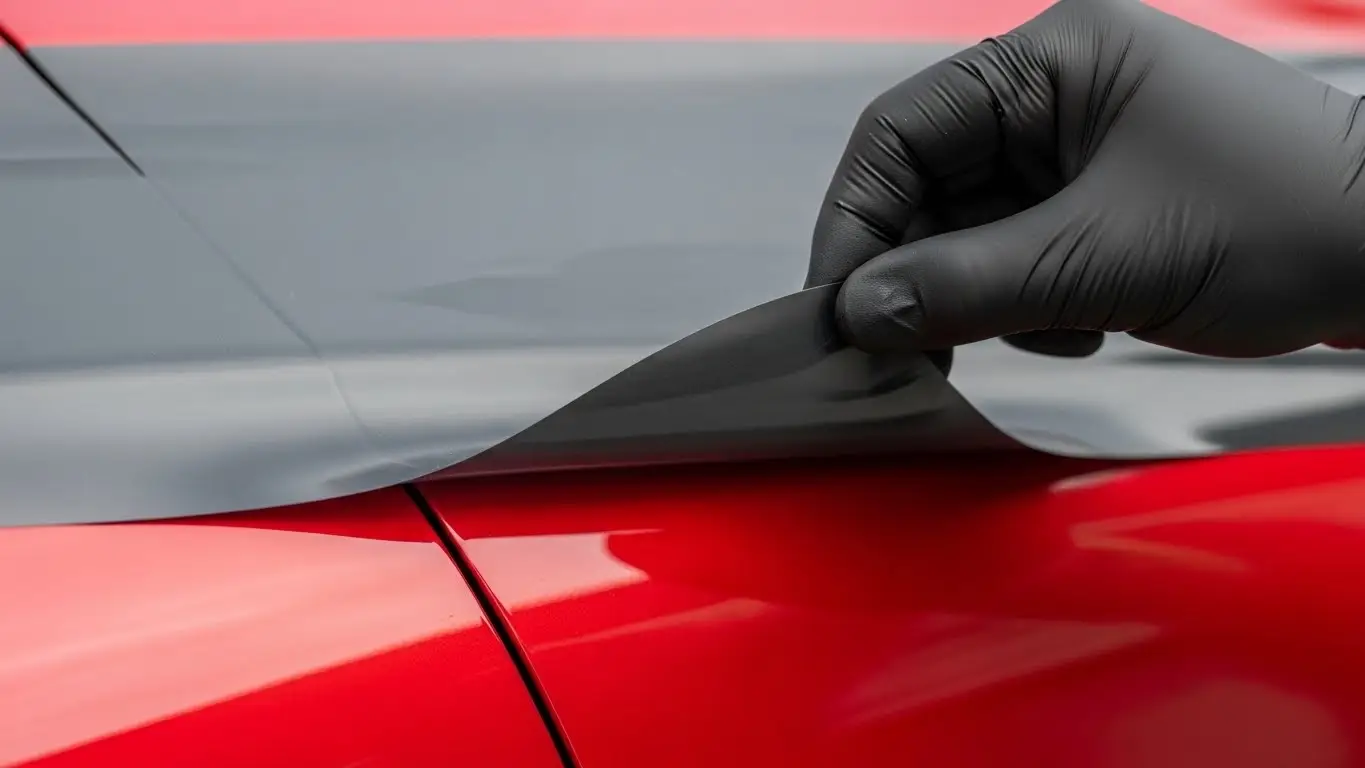
When appraising a vehicle, condition is king. Colored PPF offers a two-fold advantage: it provides the aesthetic change of a vinyl wrap with the heavy-duty protection of clear PPF.
Preservation of OEM Paint
The biggest factor in retaining resale value is the condition of the original paintwork. Scratches, swirl marks, and sun fading significantly depreciate a car. High-quality colored PPF is thick (usually 8 mils) and self-healing. By installing it, you are essentially "freezing" the condition of your paint in time.
If your car has minor existing imperfections, you might wonder if the film helps. In many cases, the answer is yes. Since the adhesive fills in minor clear coat defects, can colored PPF hide scratches effectively? Absolutely. This instantly improves the vehicle's visual appeal without requiring expensive paint correction.
The "Removability" Factor
Unlike a custom paint job, colored PPF is reversible. This is a critical safety net for resale value. If a potential buyer loves the car but hates the specific color you chose, the film can be removed to expose the factory color. This flexibility is key when asking, is colored PPF worth it as an investment? It gives you the best of both worlds: customization during your ownership and broad market appeal when selling.
Does Aftermarket Paint Protection Devalue a Car?
No, high-quality aftermarket paint protection like colored PPF does not devalue a car; it typically preserves value.
While poorly installed modifications can hurt value, professional-grade PPF is viewed as a premium add-on.
Buyer Perception
Savvy buyers, particularly in the luxury and sports car markets, view PPF as a sign of a responsible owner. It suggests the previous owner cared enough to invest in expensive protection. However, the quality of the installation matters. Bubbles, peeling edges, or cheap material can look like a liability. This is why understanding colored PPF lifespan and durability is vital—a film that looks new after 5 years adds value, while a film that is cracking subtracts it.
How Long Does the Value Retention Last?
The value retention lasts as long as the film stays in good condition, typically 5 to 10 years depending on the brand.
If you plan to sell your car in 3 years, the film should still look nearly brand new.
Long-Term Aesthetics
A common concern for resale is whether the film itself will look worn out. Buyers often ask, does colored PPF fade over time? Modern colored PPFs are engineered with UV inhibitors that resist fading much better than traditional vinyl wraps. If the film maintains its rich color and sheen, it can be sold as a value-added feature. If you are curious about specific timelines, you can read more on how long does colored PPF last.
Comparison: Colored PPF vs. Vinyl Wrap vs. Repaint
To understand the resale impact better, it helps to compare colored PPF against other color-change methods.
| Feature | Colored PPF | Vinyl Wrap | Custom Repaint |
| Impact on Resale Value | Positive (Protects OEM paint) | Neutral/Negative (Little protection) | Negative (Suspicion of damage) |
| Paint Protection | High (rock chip resistant) | Low (cosmetic only) | None |
| Reversibility | Yes | Yes | No |
| Durability | 7-10+ Years | 2-4 Years | Permanent |
| Market Appeal | High (Premium protection) | Medium (Visual only) | Low (Niche appeal) |
Critical Factors That Influence Resale Value
Not all colored PPF installations will guarantee a higher sale price. Several variables come into play.
1. Brand and Material Quality
Using reputable brands (like STEK, GSWF, or Pure PPF) assures the buyer that the film won't damage the paint upon removal. Cheap films can leave nasty adhesive residue that costs hundreds of dollars to remove, negating any resale value increase.
2. Color Choice
While you might love a "Neon Lime Green," a dealership or private buyer might see it as a hassle.
- Neutral Colors (Nardo Grey, Matte Black, Satin White): These often increase immediate resale value because they are popular and trendy.
- Polarizing Colors (Pink, Bright Orange): These may require you to remove the film before selling to get the best price.
3. Documentation
Keep your warranty card and installation receipt. Proving that the film was professionally installed and is still under warranty provides peace of mind to the new owner.
Frequently Asked Questions
Is it harder to trade in a car with colored PPF?
Usually, no. If the color is popular (like a satin black), dealers may actually offer more because the car stands out on the lot. If the color is wild, the dealer may simply factor in the cost of removal (usually $500-$1000) into your trade-in offer.
Can I remove colored PPF myself before selling?
Yes, but it is recommended to have a professional do it. If the film is high quality and was applied over factory paint, it should peel off cleanly with heat. Improper removal can leave adhesive residue.
Does colored PPF count as a modification for insurance?
Yes, it is considered a modification. You should notify your insurance carrier. In the event of a total loss, this ensures you are reimbursed for the value of the film, which protects your financial investment.
Will the paint look different under the film when removed?
No. In fact, the paint under the film will likely look brand new because it hasn't been exposed to UV rays, road salts, or washing swirls. This "time capsule" effect is the main selling point.
Key Takeaways
- Protection is Profit: The primary way colored PPF increases resale value is by keeping the original paint in mint condition.
- Reversibility is Key: Unlike a repaint, you can revert to stock, making it a safe investment for expensive vehicles.
- Quality Matters: Only high-quality, professionally installed films add value; poor installations can actually lower the car's offer price.
- Color Strategy: Neutral or "OEM-plus" colors (like Nardo Grey) are easier to sell with the film on than loud, niche colors.
Conclusion
Installing colored PPF is one of the few automotive modifications that can genuinely protect your asset's value. While the specific color adds subjective value, the objective protection of the underlying paint is a guaranteed win for resale. If you are looking to change your car's look without the depreciation hit of a paint job, colored PPF is the smartest financial choice.
Ready to protect your investment? Check out our guide on choosing the right film or find a certified installer today.


