



Popular Articles
Midnight Purple Paint for GTR R34
2026.01.13
Exploring the Allure of Midnight Purple
2026.01.13
Benefits of Using Carbon Fiber Vinyl Wraps
2026.01.13

About Company
Colorfuul is a global leader in high-end automotive films, offering Color TPU PPF, Transparent PPF, PET Window Films, and Vinyl Wrapping. With exports to over 100 countries, we deliver consistent quality, competitive pricing, and professional service. Beyond production, we provide OEM/ODM customization, shaping the future of automotive aesthetics.
 mary@colorfuul.com
  86 13541196952
 Environmental Impact of TPU PPF: The Truth Revealed
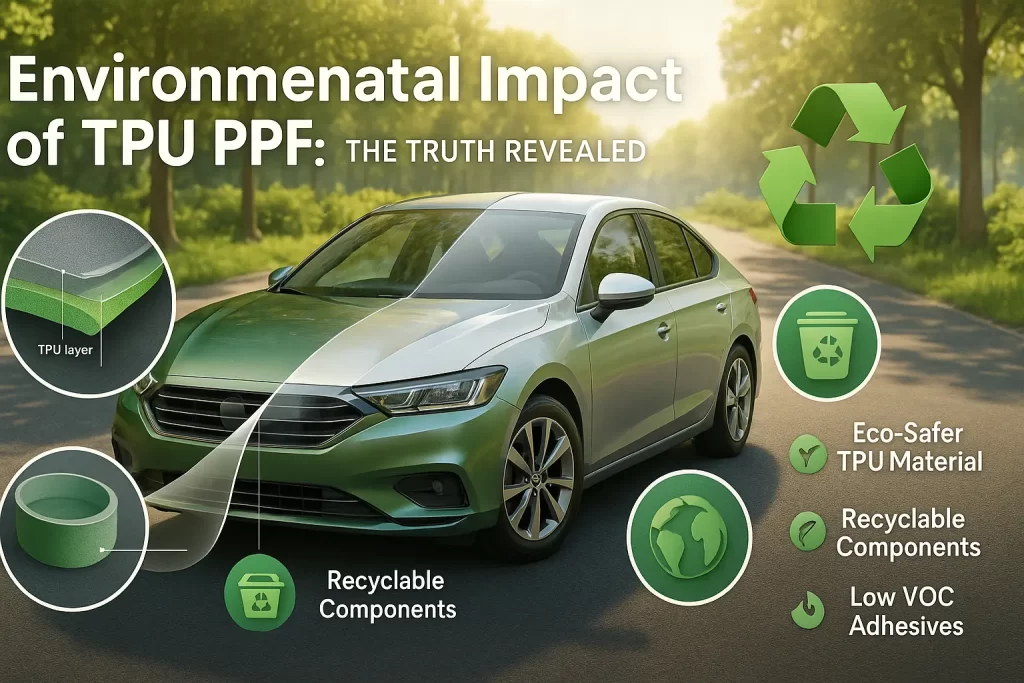
The environmental impact of TPU PPF is an important topic for today's conscious consumer. As people become more aware of their ecological footprint, they ask important questions about the products they buy. Paint protection film is a plastic-based product, which naturally raises concerns about its production and disposal. However, a simple label of "good" or "bad" is not accurate. The true impact of a product can only be understood by examining its entire lifecycle. This guide will reveal the truth about the environmental footprint of TPU paint protection film. We will analyze it from raw material to end-of-life, providing a balanced and honest assessment.
Lifecycle Analysis: A Framework for Understanding Impact
To properly assess the environmental impact of any product, a lifecycle analysis is necessary. This is a methodical approach that evaluates the environmental effects of a product at every stage of its existence. It provides a complete picture, rather than focusing on just one aspect like manufacturing or disposal. This holistic view is essential for making a fair comparison between TPU PPF and its alternatives. It helps to identify where the greatest impacts occur and where the most significant benefits lie.
What is a Product Lifecycle Analysis?
A product lifecycle analysis, often called a cradle-to-grave assessment, examines the journey of a product from beginning to end. It considers the resources used and the emissions created at each phase. For TPU PPF, this means looking at the extraction of raw materials, the energy used in production, the effects during its use on a vehicle, and what happens to it when it is eventually removed. This comprehensive framework prevents a narrow or biased view.
The Key Stages: Raw Materials, Manufacturing, Use, and Disposal
The lifecycle of a TPU paint protection film can be broken down into four distinct stages. Each stage has its own unique set of environmental considerations. Understanding these is key to evaluating the overall impact of the product.
Here are the four key stages we will examine:
- Stage 1: Raw Material Sourcing and Production. This stage covers the origin of the materials used to make the film, primarily the thermoplastic polyurethane itself.
- Stage 2: The Manufacturing Process. This stage looks at the industrial processes used to turn the raw materials into a finished roll of paint protection film.
- Stage 3: The Use Phase. This is the long period when the film is installed on a vehicle, protecting its paint. This stage offers the most significant environmental benefits.
- Stage 4: End-of-Life. This final stage examines what happens to the film after it has served its purpose and is removed from the vehicle.
Why a Holistic View is Necessary
Focusing on just one stage can be misleading. For example, one could argue that since TPU is derived from petrochemicals, it is inherently bad for the environment. However, this ignores the massive environmental benefits the product provides during its use phase. A holistic view allows us to weigh the initial impact of production against the long-term benefits of preservation. It provides the context needed for a fair evaluation.
Comparing PPF to its Alternatives (Repainting, Vinyl Wraps)
No product exists in a vacuum. To judge the environmental impact of TPU PPF, we must compare it to the alternatives. The primary alternative is not having a film at all, which often leads to the need for paint repairs or full resprays. Another alternative is a PVC-based vinyl wrap. By comparing the lifecycle impacts of these different choices, we can determine which option is the most responsible from an environmental standpoint.
Stage 1: Raw Material Sourcing and Production
The journey of TPU PPF begins with its raw materials. Like most modern polymers, the building blocks of the film are derived from the petrochemical industry. This is an important fact to acknowledge from the start. The environmental impact of this stage is related to the extraction and processing of fossil fuels. However, the specific type of plastic used, TPU, has some important advantages over other polymers.
The Core Material: Thermoplastic Polyurethane (TPU)
The main ingredient in the film is thermoplastic polyurethane. This is a high-performance elastomer chosen for its unique properties. The specific details of the material are covered in our guide to tpu ppf materials. From an environmental perspective, the choice of TPU over other plastics like PVC is significant. TPU production is a more refined and cleaner process.
Is TPU Derived from Fossil Fuels?
Yes, the fundamental chemical components of conventional TPU are derived from crude oil or natural gas. This means its production is linked to the fossil fuel industry and its associated environmental impacts. This is the primary negative aspect of the product's lifecycle. However, it is a reality for the vast majority of plastics used in the modern world, from consumer electronics to medical devices. The focus for a responsible product then shifts to efficiency, durability, and end-of-life management.
The Chemical Building Blocks: Polyols, Diisocyanates
TPU is synthesized from a few key chemical components. These include polyols and diisocyanates. The production of these chemicals is an energy-intensive industrial process. Manufacturers are constantly working to improve the efficiency of these processes to reduce their energy consumption and environmental footprint. Research is also ongoing into creating these same chemicals from bio-based, renewable sources, which could significantly improve the lifecycle impact in the future.
A Comparison to PVC Production (Avoiding Dioxins and Plasticizers)
While TPU has its origins in fossil fuels, it is a much cleaner material to produce and use than polyvinyl chloride (PVC). PVC is the material used in traditional vinyl wraps. The production of PVC's building blocks can create dioxins, which are highly toxic and persistent environmental pollutants. PVC also requires the addition of chemicals called plasticizers to make it flexible. These plasticizers can leach out over time and have been linked to health concerns. TPU production does not create dioxins, and it does not require plasticizers. This makes it a safer and cleaner material choice.
Stage 2: The Manufacturing Process
Once the raw chemical components are created, they must be turned into a finished roll of paint protection film. This manufacturing stage involves polymerization, extrusion, and coating. These are industrial processes that consume energy and water. Reputable manufacturers work to minimize these impacts through efficient practices and waste reduction programs.
Energy Consumption in Film Extrusion and Coating
The manufacturing process requires significant amounts of electricity. This energy is used to heat the TPU pellets for extrusion and to power the large ovens that cure the top coat and adhesive layers. A manufacturer's environmental impact at this stage is related to its energy efficiency and the source of its electricity. Companies that invest in modern, energy-efficient machinery and source power from renewable sources will have a much smaller carbon footprint.
Water Usage and Waste Management in Production
The manufacturing process also uses water, primarily for cooling the machinery. Responsible manufacturers implement closed-loop water systems. These systems recycle and reuse water, dramatically reducing their consumption. Waste management is also key. Any scrap film or material from the production line should be collected and recycled back into the process where possible. This reduces landfill waste and improves the overall efficiency of the operation.
The Absence of Harmful Solvents in Premium Films
Another important environmental consideration is the use of solvents. Some industrial coating processes use harsh solvents that can release volatile organic compounds (VOCs) into the air. However, the top coats and adhesives used in premium paint protection films are often solvent-free or use environmentally safer water-based formulations. This prevents the release of harmful VOCs during the manufacturing stage, making the process cleaner and safer for workers.
Quality Control and Reducing Production Waste
Strict quality control is not just good for the customer; it is also good for the environment. A process that produces a high-quality, defect-free product from the start generates less waste. Fewer rolls of film are rejected and sent to a landfill. By investing in precision machinery and continuous monitoring, manufacturers can maximize their yield and minimize their production waste.
Stage 3: The Use Phase - The Biggest Environmental Benefit
The use phase is where TPU PPF has its most profound and positive environmental impact. While the production of the film has an initial environmental cost, the benefits it provides over its 10-plus year lifespan on a vehicle are immense. The primary benefit is the prevention of automotive repainting, a process with significant negative environmental consequences.
The Primary Benefit: Preventing Automotive Repainting
A vehicle without protection is susceptible to chips, scratches, and stains. Over time, this damage accumulates, making the vehicle look old and worn. To restore its appearance, an owner may choose to have one or more panels repainted. In some cases, the entire vehicle may be resprayed. This process is very harmful to the environment. A high-quality PPF installation can preserve the original factory paint for the life of the vehicle, completely eliminating the need for these cosmetic repairs. For more context on protective films, the Paint protection film page is a good resource.
The Harmful Impact of Repainting: VOCs and Air Pollution
Automotive paints, primers, and clear coats contain a high concentration of volatile organic compounds (VOCs). When the paint is sprayed, these VOCs are released into the atmosphere. VOCs are a primary contributor to the formation of ground-level ozone, or smog. Smog is a major air pollutant that can cause respiratory problems and other health issues. By preventing the need for a single repaint job, a PPF installation can prevent several pounds of harmful VOCs from being released into the air. This is a massive and often overlooked environmental benefit.
How Durability Reduces Consumption
The extreme durability of TPU PPF is another key environmental advantage. The film is designed to last for a decade or more. This is a very long service life for a cosmetic automotive product. A PVC vinyl wrap, by contrast, might need to be replaced two or three times in that same period. Each replacement consumes more raw materials and generates more waste. The "install it once" nature of a high-quality PPF reduces overall consumption. This long color tpu ppf lifespan is a cornerstone of its sustainability profile.
Reducing the Use of Harsh Cleaning Chemicals
The advanced top coats on modern PPF are hydrophobic. This means they repel water and dirt. This keeps the vehicle cleaner for longer and makes it much easier to wash. As a result, an owner may not need to use as many or as harsh cleaning chemicals to maintain the vehicle's appearance. This can lead to a small but meaningful reduction in the amount of soap and chemical runoff entering the water system over the life of the car.
Stage 4: End-of-Life - Disposal and Recyclability
The final stage of the lifecycle is what happens to the film when it is removed. This is a key area of concern for any plastic product. The ideal scenario is recycling, but the reality for composite materials can be complex. The end-of-life impact of TPU is, however, more favorable than that of other plastics like PVC.
Is TPU PPF Recyclable?
In a technical sense, yes, thermoplastic polyurethane is recyclable. As a thermoplastic, it can be melted down and reformed into new products. The recycled TPU material can be used to make a wide variety of goods, from caster wheels to industrial hoses. The potential for a circular economy for TPU exists.
The Practical Challenges of Recycling Composite Materials
The main challenge in recycling used PPF is that it is not just a simple sheet of TPU. It is a composite material. It has a urethane top coat and an acrylic adhesive layer bonded to it. Before the TPU can be recycled, these other layers would need to be separated. The logistics of collecting used film from thousands of installers and transporting it to a specialized recycling facility are also complex. While technically possible, a widespread, practical recycling program for used PPF is not yet in place in most areas.
TPU vs. Landfill: Is it Inert?
If the used film does end up in a landfill, its impact is relatively low compared to other plastics. TPU is a stable and inert material. It does not contain harmful plasticizers that can leach into the soil and groundwater like PVC does. It will break down very slowly, but it will not release toxic substances as it does so. While not ideal, its disposal in a landfill is less harmful than that of many other common plastics.
The Future of Polymer Recycling and Bio-Based TPUs
The future for the end-of-life stage is promising. Chemical recycling technologies are being developed that can break down complex polymers into their original building blocks, which can then be used to make new, virgin-quality plastic. This could solve the problem of recycling composite materials. Furthermore, significant research is being done on creating bio-based TPUs. These would be made from renewable resources like corn or vegetable oils instead of fossil fuels. A bio-based, chemically recyclable PPF would have an incredibly low environmental footprint. This is the direction the industry is heading.
Comparative Impact: TPU PPF vs. Its Alternatives
To truly understand the environmental impact of TPU PPF, it is essential to compare it to the likely alternatives. A vehicle owner who does not choose PPF will likely face other choices down the road that have their own environmental costs. When viewed in this context, the benefits of PPF become much clearer.
TPU PPF vs. Repainting: The Clear Winner
This is the most important comparison. As we have discussed, the release of VOCs from automotive repainting is a major source of air pollution. The environmental cost of a single full respray is immense. It involves sanding, harsh chemical strippers, primers, base coats, and clear coats, all of which have a negative impact. The initial environmental cost of producing one application of PPF is far, far lower than the environmental cost of just one repaint. Since the film can prevent multiple potential repaints over its life, it is the undisputed winner in this comparison.
TPU PPF vs. PVC Vinyl Wraps: A Nuanced Comparison
The comparison with PVC vinyl wraps is more complex. The production of PVC involves more harmful chemicals than TPU. PVC also has a much shorter lifespan, leading to more consumption and waste over a ten-year period. However, the initial energy cost of producing a thinner vinyl wrap might be slightly lower. On balance, the cleaner material profile and the extreme durability of TPU PPF make it the more environmentally responsible choice for long-term use. The ability to last twice as long is a major sustainability factor. A color tpu ppf vs clear ppf comparison reveals similar environmental profiles for both types of premium film.
The Overall Impact on a Vehicle's Lifetime Footprint
When you consider the entire lifetime of a vehicle, the installation of a high-quality PPF can actually reduce its overall environmental footprint. By preserving the most vulnerable cosmetic component—the paint—it eliminates the need for resource-intensive and polluting repairs. It extends the aesthetic life of the vehicle, which can contribute to longer ownership cycles and reduced manufacturing demand for new cars. It is a product that promotes preservation over replacement, which is a core principle of sustainability. The foundational knowledge of what is tpu paint protection film helps in understanding these benefits.
How Advanced Features Contribute to Sustainability
The technological features of modern PPF also contribute to its positive environmental profile. These are not just for performance; they also have sustainability benefits. Features like self-healing and UV resistance are directly linked to the product's longevity and reduced environmental impact.
Self-Healing Properties and Reduced Replacements
The self-healing tpu ppf top coat keeps the film looking new by erasing minor scratches. This is a sustainability feature. A non-healing film might look so scratched after a few years that an owner would choose to replace it, creating waste. The self-healing ability extends the aesthetic life of the film to match its functional life. This ensures a single installation can last for its full ten-year potential, minimizing waste.
UV Resistance and Extended Product Life
Similarly, the advanced uv-resistance tpu ppf is a key sustainability feature. It prevents the film from yellowing, cracking, or degrading in the sun. This is the primary technology that enables the film's decade-long lifespan. Without it, films would fail in just a few years, leading to a cycle of replacement and waste. UV resistance is fundamental to the "install it once" durability that makes the product a responsible choice. This is just one of the many benefits of color tpu ppf.
Addressing Common Questions and Myths
There are many questions and even some myths related to the environmental safety of PPF. Addressing these directly can help provide a clearer picture. It is important to separate outdated concerns from the reality of modern, high-quality products. There are many myths about color tpu ppf, and some of them touch on environmental topics.
Final Thoughts on the Environmental Impact of TPU PPF
The environmental impact of TPU PPF is a nuanced topic. The product is a plastic derived from fossil fuels, and its manufacturing has an initial environmental cost. However, this initial impact is overwhelmingly offset by the immense benefits provided during its long use phase. By preventing the need for polluting automotive repaints, it eliminates a significant source of VOC emissions. Its extreme durability reduces consumption and waste compared to shorter-lived alternatives. While the end-of-life recycling infrastructure is still developing, the core material is stable and less harmful than other plastics. When viewed through a complete lifecycle analysis, a high-quality TPU paint protection film is a net positive for a vehicle's lifetime environmental footprint. It is a product that champions preservation, a cornerstone of responsible consumption.


