



Popular Articles
Midnight Purple Paint for GTR R34
2026.01.13
Exploring the Allure of Midnight Purple
2026.01.13
Benefits of Using Carbon Fiber Vinyl Wraps
2026.01.13

About Company
Colorfuul is a global leader in high-end automotive films, offering Color TPU PPF, Transparent PPF, PET Window Films, and Vinyl Wrapping. With exports to over 100 countries, we deliver consistent quality, competitive pricing, and professional service. Beyond production, we provide OEM/ODM customization, shaping the future of automotive aesthetics.
 mary@colorfuul.com
  86 13541196952
 Fleet PPF Colors: Best Options for Businesses
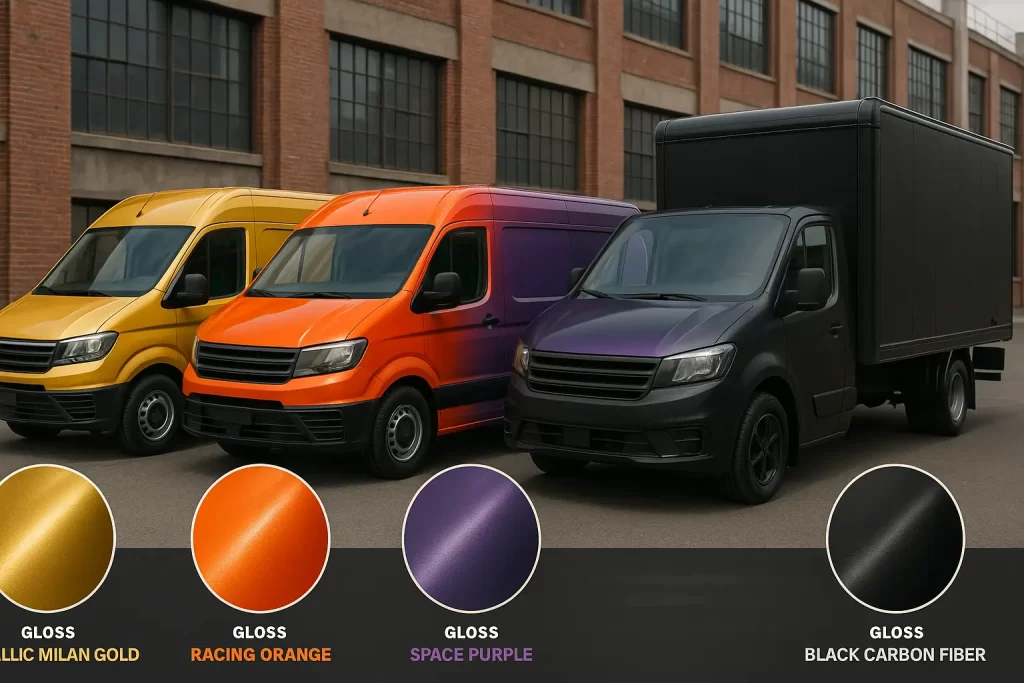
Choosing the right fleet PPF colors is a critical strategic decision for any business. Company vehicles are more than just transportation; they are mobile billboards and a direct representation of the brand. The color, finish, and condition of a commercial fleet have a significant impact on public perception. Color paint protection film (PPF) offers a powerful solution for businesses. It allows them to achieve a uniform, professional brand image while providing superior protection for their valuable assets. This guide will explore the best color options and strategies for businesses, focusing on branding, practicality, and long-term value.
The Business Case for Using Color PPF on Fleets
Before diving into specific colors, it is essential to understand the business case for using color PPF on a fleet of vehicles. This is not merely a cosmetic upgrade. It is a strategic investment that can deliver a significant return through asset protection, brand enhancement, and reduced operational costs. The decision to wrap a fleet in high-quality PPF is a proactive measure that benefits the company's bottom line and public image.
Here are the key business benefits of applying color PPF to a vehicle fleet:
- High-Value Asset Protection: Fleet vehicles are significant capital investments. PPF provides a durable shield that protects them from the scratches, rock chips, and environmental damage of daily commercial use.
- Consistent and Professional Brand Image: A uniform fleet of clean, well-maintained vehicles projects an image of professionalism and reliability. Color PPF ensures every vehicle is the same color and in pristine condition.
- Maximized Resale or Lease-End Value: By preserving the original factory paint underneath, PPF ensures the vehicles are in the best possible condition at the end of their service life, maximizing their value.
- Reduced Downtime and Maintenance Costs: The film prevents the need for costly and time-consuming paint repairs. This keeps vehicles on the road and working, rather than in a body shop.
Protecting High-Value Company Assets
Commercial vehicles endure harsh conditions. They are driven many miles, often in heavy traffic and through work sites. This constant use leads to a high rate of cosmetic damage. Rock chips, parking lot scuffs, and minor abrasions are inevitable. This damage not only looks unprofessional but also degrades the value of the asset. A thick, durable layer of TPU PPF acts as a sacrificial barrier. It absorbs these impacts, preserving the expensive factory paint underneath. This protection is a form of insurance for the vehicle's physical condition.
Ensuring a Consistent and Professional Brand Image
A company's fleet is a key part of its public identity. When all vehicles are the same color and in excellent condition, it sends a powerful message of consistency, attention to detail, and success. Color PPF is the most effective way to achieve this. A business can choose a color that perfectly matches its corporate branding. Every vehicle, regardless of its original factory color, can be wrapped to create a perfectly uniform fleet. This mobile branding is a powerful marketing tool.
Maximizing Resale or Lease-End Value
Most commercial vehicles are either sold or returned at the end of a lease after a few years of service. The cosmetic condition of the vehicle is a major factor in its determined value. A vehicle with chipped, scratched, and faded paint will be worth significantly less than one with a pristine finish. When the PPF is removed at the end of its service life, it reveals the perfectly preserved factory paint. This can result in a much higher resale value or the avoidance of expensive excess wear-and-tear charges on a lease return.
Reducing Downtime and Maintenance Costs from Paint Damage
When a fleet vehicle's paint is damaged, it needs to be repaired. This means taking the vehicle out of service and sending it to a body shop. This downtime represents lost revenue and productivity. The repair itself is also a direct cost to the business. By preventing the damage in the first place, PPF eliminates these costs. The vehicle stays on the road, and the budget for cosmetic repairs can be drastically reduced.
Strategic Color Selection for Business Fleets
Choosing a color for a commercial fleet is very different from choosing one for a personal vehicle. The decision is less about individual taste and more about brand strategy and practicality. The right color can enhance brand recognition, convey a specific message, and even improve safety and maintenance efficiency.
Aligning with Your Corporate Brand Identity
The first and most important consideration is the company's existing brand identity. Most businesses have a specific color palette that they use in their logo, website, and marketing materials. The fleet vehicles should be an extension of this branding. The chosen PPF color should align with these corporate colors. If a specific Pantone color is central to the brand, it is possible to work with a manufacturer to create a custom film. It is even possible to match the PPF to the factory paint of an existing vehicle to ensure consistency.
The Psychology of Color in Branding
Different colors send different psychological messages. A business can use this to its advantage. For example, a deep blue is often associated with trust, stability, and professionalism, making it a great choice for financial or legal services. Green can be used to signal an environmental or health-focus. Red can convey a sense of speed and energy, which might be suitable for a delivery service. A business should think about what message it wants its vehicles to send.
High-Visibility Colors for Safety and Recognition
For some fleets, especially those in construction, utilities, or emergency services, visibility is a key safety concern. Bright colors like white, yellow, or orange make vehicles much more visible on the road and at work sites. This can help to prevent accidents. These bright colors also make the vehicles highly recognizable, which can be a branding benefit. A fleet of bright yellow vans, for example, is instantly identifiable.
Practicality: Choosing Colors that Hide Dirt and Wear
From a practical standpoint, the best colors for a hard-working fleet are those that are easy to maintain. White, silver, and light grey are exceptionally good at hiding dust and light dirt. This means the vehicles look cleaner for longer, reducing the frequency of washing. Dark colors like black and dark blue are the opposite. They show every speck of dust and require constant cleaning to look professional. For a large fleet, choosing a low-maintenance color can result in significant savings in labor and resources.
Top Color Choices for Professional Fleets
While the possibilities are endless, a few colors have become staples for commercial fleets due to their combination of professional appearance, branding potential, and practical benefits. These choices are safe, effective, and project a strong corporate image.
Option 1: Corporate White (Gloss)
Gloss white is the most popular and practical choice for commercial fleets. It is a clean, professional, and timeless color. It provides a perfect blank canvas for applying vinyl logos and company lettering. From a maintenance perspective, it is the best color for hiding dirt and minor imperfections. It is also highly visible, which is a safety benefit. Furthermore, a white vehicle absorbs the least amount of heat from the sun, which can keep the cabin and any cargo cooler.
Option 2: Professional Silver/Grey (Gloss)
Silver and light to medium grey are other excellent choices for a professional look. These colors are associated with technology, efficiency, and modernity. Like white, they are very good at hiding dirt, making them a practical choice for a working fleet. A gloss silver or grey finish looks sleek and professional. It is a great option for businesses in the tech, logistics, or business services sectors. These are often considered some of the best ppf colors for an suv in a corporate setting.
Option 3: Deep Corporate Blue (Gloss)
A deep, rich blue is a fantastic choice for businesses that want to project an image of trust, authority, and stability. It is a more colorful option than white or grey but is still very professional and conservative. It is a popular choice for companies in the financial, legal, insurance, and consulting industries. A gloss finish gives the blue a deep, liquid look that is very premium. While it shows dirt more than white, it is more forgiving than black.
Option 4: Solid Black (Gloss or Satin)
Black is the color of luxury and executive transport. For businesses that provide high-end services, such as limousine companies, private security, or premium concierge services, a fleet of black vehicles is essential. A gloss black finish is the classic choice for a formal, high-end look. A satin black finish can offer a more modern and discreetly aggressive appearance. The major downside is the intensive maintenance required to keep a black fleet looking clean and professional.
The Logistics of Wrapping a Large Fleet
Applying color PPF to a single vehicle is a major project. Applying it to an entire fleet of vehicles is a significant logistical undertaking. It requires careful planning, a strong partnership with an installation company, and a focus on quality and consistency across every single vehicle.
The Importance of Color Consistency Across Batches
When wrapping a large fleet, it is likely that the film will come from multiple different production batches. It is absolutely critical that the color is perfectly consistent from one batch to the next. A reputable manufacturer will have stringent quality control to ensure this. Working with a top-tier brand is the best way to guarantee perfect color consistency during the ppf installation. This avoids the problem of having vehicles in the same fleet that are slightly different shades.
Working with Installers Who Can Handle Volume
A business needs to partner with a PPF installation company that has the capacity to handle a large fleet project. This means they need to have enough physical space in their workshop, a sufficient number of skilled installers, and experience with managing multi-vehicle projects. A large fleet wrap is not a job for a small, one-person shop.
The Option to Match a Specific Corporate Pantone
For businesses with a very specific brand color, an off-the-shelf PPF color may not be a perfect match. In these cases, it is possible to work with a manufacturer to create a custom film that matches a specific Pantone color. This is a premium service that ensures perfect brand alignment. It is the ultimate solution for companies where color accuracy is paramount. This is a key aspect of custom color ppf services.
Scheduling Installations to Minimize Vehicle Downtime
A business cannot afford to have its entire fleet out of service at the same time. A good installation partner will work with the fleet manager to create a flexible installation schedule. They might wrap one or two vehicles at a time, allowing the rest of the fleet to remain in operation. This staggered approach minimizes disruption to the business.
Matte vs. Gloss Finishes in a Commercial Context
The choice of finish is another important decision for a fleet manager. While gloss is the traditional and most common choice for commercial vehicles, matte and satin finishes are becoming a consideration for certain types of brands.
Gloss Finish: The Professional Standard
A gloss finish is the safest and most practical choice for the vast majority of commercial fleets. It mimics the look of factory paint, so it is a familiar and professional look. Most importantly, its smooth, slick surface is the easiest to clean. For a fleet of vehicles that needs to be washed frequently, the ease of maintenance of a gloss finish is a major advantage.
Matte/Satin Finish: A Modern, Premium Statement
For certain types of businesses, a matte or satin finish can be a powerful branding tool. A fleet of satin black vehicles for a luxury car service, for example, would make a very strong and modern statement. A creative or design-focused company might choose a matte finish to project a more cutting-edge image. However, the business must be prepared for the more specialized and demanding maintenance routine that these finishes require.
Maintenance Implications for a Fleet Manager
A fleet manager needs to consider the long-term maintenance. A gloss finish allows for a wide range of cleaning products and techniques. A matte finish requires the use of specific matte-safe soaps and prohibits any waxing or polishing. A business would need to ensure that their vehicle cleaning staff or service is properly trained to care for a matte finish to avoid damaging it. The choice between a matte vs gloss tpu ppf has real-world operational consequences.
Beyond Full Wraps: Practical PPF Strategies for Fleets
A full color change wrap on every vehicle is not the only option. Businesses can use PPF in a variety of strategic ways to achieve their branding and protection goals. These alternative strategies can be more cost-effective and can be tailored to specific needs.
Combining Clear PPF on High-Impact Areas with Vinyl Logos
A very popular and cost-effective strategy is to use a clear, transparent PPF on the high-impact areas of the vehicle. This includes the front bumper, hood, and mirrors. This provides the essential rock chip protection. The company's branding can then be applied over the original paint (and the clear film) using traditional, less expensive vinyl graphics for the logos and lettering. This approach prioritizes protection where it is needed most.
Using Partial Color PPF Wraps for Branding Accents
A business can also use a partial wrap in their corporate color to create a distinctive look. For example, a fleet of white vans could have their hoods and roofs wrapped in the company's signature blue PPF. This creates a strong brand identity without the cost of a full vehicle wrap. This is a great way to get a custom look while managing the budget.
Protecting Different Vehicle Types in a Fleet
Many fleets consist of a mix of different vehicle types. They might have large vans, smaller cars, SUVs, and even motorcycles. PPF can be used to create a consistent look across all these different platforms. The strategies and color choices for color tpu ppf for motorcycles in a fleet will be different from those for large trucks, but a unified branding scheme can still be achieved.
The Financial Aspect: Cost and Return on Investment
The decision to wrap a fleet in color PPF is a significant financial one. It is crucial for a business to analyze the costs and the expected return on that investment. When viewed over the full service life of the vehicles, the financial benefits are compelling.
The Upfront Cost vs. Long-Term Value
The upfront cost of wrapping an entire fleet is substantial. However, this cost should be viewed as a capital investment, not just an expense. This investment pays returns in the form of reduced repair costs, reduced vehicle downtime, and a higher resale value. Over a 3- to 5-year service life, these returns can often meet or exceed the initial cost of the wrap. The cost vs aesthetics of color ppf is a calculation that often favors the investment in a commercial context.
How PPF Impacts Lease Return Conditions
For leased fleets, PPF can be a financial lifesaver. Lease agreements have strict conditions about the cosmetic state of the vehicle upon its return. Any damage beyond normal wear and tear results in costly penalties. A full PPF wrap is the best way to ensure the vehicle is returned in perfect condition. The cost of the wrap can be significantly less than the potential lease-end charges for a fleet of damaged vehicles.
Comparing PPF to the Cost of Frequent Repaints and Repairs
A business should compare the cost of a PPF installation to the expected cost of paint repairs over the vehicle's life. A single minor accident or a series of parking lot scrapes can easily cost thousands to repair properly. A PPF wrap prevents this damage. When you factor in the cost of vehicle downtime during those repairs, the financial argument for preventative protection becomes very strong. This is one of the key benefits of color tpu ppf for a business.
Final Thoughts on Fleet PPF Colors
Choosing the right fleet PPF colors is a strategic business decision that pays dividends in multiple ways. It is the most effective method for creating a consistent, professional brand image across a mobile workforce. By selecting a practical, brand-aligned color and partnering with a professional installer, a business can enhance its public image while protecting its bottom line. It is a smart, modern solution for any company that relies on a fleet of vehicles. The latest color ppf trends for 2025 can also inspire marketing or promotional vehicles within a fleet. The same principles apply whether choosing colors for a commercial fleet or for other vehicles.


