



Popular Articles
Midnight Purple Paint for GTR R34
2026.01.13
Exploring the Allure of Midnight Purple
2026.01.13
Benefits of Using Carbon Fiber Vinyl Wraps
2026.01.13
About Company
Colorfuul is a global leader in high-end automotive films, offering Color TPU PPF, Transparent PPF, PET Window Films, and Vinyl Wrapping. With exports to over 100 countries, we deliver consistent quality, competitive pricing, and professional service. Beyond production, we provide OEM/ODM customization, shaping the future of automotive aesthetics.
 mary@colorfuul.com
  86 13541196952
 Match PPF to Factory Paint: Tips for a Flawless Look
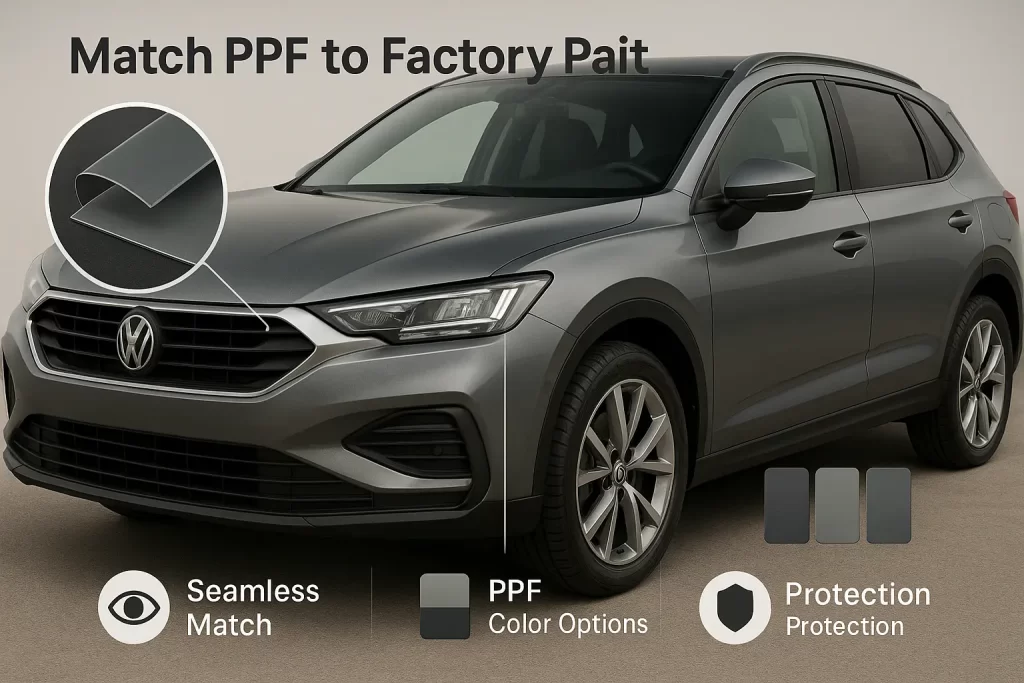
Learning how to match PPF to factory paint is a specialized process for a perfect vehicle finish. Color paint protection film (PPF) is most often used to change a vehicle's color completely. However, there are times when the goal is the opposite. An owner may want to apply a colored film that is an exact replica of the car’s original paint. This can be for a seamless repair, for consistent branding, or to protect a unique color with a durable film. Achieving a perfect match is a blend of art and science. It requires advanced technology and a skilled professional's eye. This guide provides essential tips for getting a flawless look when matching a colored PPF to a factory paint job.
Why Match PPF to Factory Paint? Key Scenarios
The decision to match a colored PPF to a vehicle’s existing paint is typically driven by a specific need. It is a targeted solution for particular problems that a full color change or a clear PPF might not address. Understanding these scenarios helps to clarify why this service is so valuable. It is about creating a seamless, uniform appearance while gaining the superior protection of a TPU film.
Here are the key scenarios where matching a color PPF to the factory paint is the ideal solution:
- Covering Damaged or Faded Panels: This is the most common reason. If one or more panels of a vehicle are damaged, scratched, or faded, a color-matched PPF can cover the imperfections perfectly.
- Protecting a Rare or Unique Factory Color: For vehicles with a special, high-value factory color, applying a perfectly matched opaque film provides the best protection without altering the car's original appearance.
- Creating Partial Wraps or Two-Tone Designs: A color-matched PPF can be used on parts of a vehicle, like the roof or hood, to create a two-tone look that perfectly complements the original color.
- Ensuring Uniformity for Commercial Fleets: For commercial fleets, if a new vehicle is added that is a slightly different shade, a color-matched PPF can be used to ensure every vehicle in the fleet is identical.
Scenario 1: Covering Damaged or Faded Panels
Imagine a car has a deep, irreparable scratch on a single door. Repainting that door can be expensive. It also creates the risk of a poor color match with the adjacent panels. A better solution is to wrap the damaged door in a color PPF that has been perfectly matched to the rest of the car. This not only covers the damage flawlessly but also adds a layer of superior protection to that panel. The same applies to panels with faded paint due to sun exposure. The matched film can restore the original, vibrant color.
Scenario 2: Protecting a Unique Factory Color with an Opaque Film
Some manufacturers offer special, limited-edition colors that are very valuable. Owners of these vehicles want to protect their investment. While a clear PPF is an excellent option, some owners prefer the idea of a completely opaque barrier. By creating a color PPF that is an exact replica of the rare factory color, the owner gets a dual benefit. The original, valuable paint is completely shielded from all light and environmental factors. At the same time, the car continues to display its beautiful, original color to the world.
Scenario 3: Partial Wraps and Two-Tone Designs
Customization is not always about a full color change. Many owners are interested in partial wraps to create a two-tone effect. A popular trend is to wrap the roof of a vehicle in a contrasting color, like black. In some cases, an owner may want a more subtle two-tone look using a slightly different shade of their car’s main color. A color-matched PPF can be used to create these custom designs, ensuring the new color perfectly complements the factory paint.
Scenario 4: Matching Commercial Fleet Vehicles
Maintaining a consistent brand image is crucial for businesses. This is where choosing the right colors for commercial fleets becomes important. A company may have a fleet of vehicles in their specific brand color. If they purchase a new vehicle that is not available in that exact shade, color-matched PPF is the perfect solution. The new vehicle can be wrapped to match the rest of the fleet perfectly. This ensures brand consistency across all company assets.
The Science of Color Matching: More Than Meets the Eye
Achieving a perfect color match is a highly technical process. It goes far beyond simply looking at a color and finding something similar. Human color perception is subjective and can be fooled by different lighting conditions. A scientific, data-driven approach is required to create a match that is accurate and reliable. This involves using specialized tools and understanding the complex properties of automotive paint.
Understanding the OEM Paint Code
Every vehicle is manufactured with a specific paint code. This code, usually found on a sticker in the door jamb or under the hood, identifies the exact formula used by the original equipment manufacturer (OEM). This paint code is the starting point for any color matching process. It provides the base formula for the color. However, it is only a starting point. Variations can occur between different production batches at the factory. The paint can also change slightly as it ages.
The Role of a Spectrophotometer
The most important tool in modern color matching is the spectrophotometer. This is a handheld device that analyzes color with scientific precision. When placed on the vehicle's paint, it shines a controlled light source onto the surface. It then measures the exact wavelength of the light that is reflected back. This provides a digital "fingerprint" of the color that is far more accurate than the human eye. This data can be used to create a precise formula for the PPF color.
Metamerism: Why Colors Look Different in Different Lights
One of the biggest challenges in color matching is a phenomenon called metamerism. This is when two colors appear to be a perfect match under one type of lighting (like the fluorescent lights of a workshop) but look completely different under another type of lighting (like natural sunlight). A good color match must be a spectral match, not just a visual one. The spectrophotometer helps to avoid metamerism by analyzing the full spectrum of the color. This ensures the match will look correct in all lighting conditions.
Accounting for Flop, Texture, and Pearl Effects
Automotive paint is not just a simple color. It has complex properties. Metallic paints have small aluminum flakes that sparkle in the light. The way these flakes are oriented is called the "flop." Pearlescent paints have ceramic crystals that create a soft, glowing effect. Tri-coat paints have multiple layers that create a sense of depth. A successful color match must replicate these complex characteristics, not just the base color. This requires an advanced PPF product and a very skilled technician. For more on these special finishes, see our guide on pearlescent and flip color PPF.
The Process: Steps to Achieving a Perfect Match
The process of creating a custom-matched color PPF is methodical and precise. It involves a close collaboration between the vehicle owner, the installer, and sometimes the film manufacturer. Following a clear set of steps is essential for managing expectations and achieving a flawless result. Rushing any part of this process can lead to a disappointing outcome.
Step 1: Professional Consultation and Assessment
The process begins with a consultation with a high-quality PPF installation shop. The owner should explain their goals. The installer will then assess the vehicle's paint. They will look at its condition, note any existing damage, and identify the paint code. They will also discuss the feasibility of a perfect match and explain the process and potential costs. This initial conversation is crucial for setting clear expectations.
Step 2: Sourcing the OEM Paint Code and Information
The installer will locate and verify the vehicle's exact OEM paint code. This code is cross-referenced with a database to get the original formula. This formula provides the foundational recipe for the color. It tells the technicians what pigments are in the original paint and in what proportions. This is the starting point for creating the custom color.
Step 3: Taking a Digital Reading with a Spectrophotometer
Next, the installer will use a spectrophotometer to take several readings from the vehicle's actual paint. It is best to take readings from a large, flat panel like the roof or door. This provides the most accurate data. This digital reading captures the true color of the car as it exists today. It automatically accounts for any minor variations from the factory formula or any slight changes due to aging.
Step 4: Producing a Test Swatch or Sample
The data from the spectrophotometer is used to create a formula for the color PPF. The manufacturer or a specialized technician then produces a small sample or test swatch of the film in this custom color. This is a critical quality control step. It allows the color to be tested and verified before an entire roll of film is produced. This avoids costly mistakes.
Step 5: Comparing the Sample to the Vehicle in Various Lights
Once the test swatch is ready, it is time for the most important visual check. The installer will bring the sample to the vehicle. They will place it directly on the car's surface and compare the two. This comparison must be done under multiple lighting conditions. It should be checked indoors under the shop's lights, and outdoors in direct sunlight, in the shade, and at different times of day. Only when the match is confirmed to be perfect in all lights can the final film be produced.
The Role of the PPF Manufacturer and Installer
Achieving a perfect match is a team effort. The technology and expertise of the film manufacturer must be combined with the skill and attention to detail of the installer. Both parties play a critical role in the success of the project. A vehicle owner should choose partners who have experience and a strong reputation in this specialized area.
Working with Manufacturers that Offer Custom Color Services
Not all PPF manufacturers offer custom color matching services. This is a high-end, specialized service that requires significant investment in technology and expertise. An owner must work with an installer who has a relationship with a manufacturer that provides this option. These manufacturers have the advanced equipment needed to analyze color data and produce small, custom batches of film. Finding a provider of custom color PPF services is the first step.
The Importance of a Skilled Installer's Eye
While the spectrophotometer provides the scientific data, the final approval often comes down to the trained eye of an experienced installer. A skilled professional develops a keen sense of color and can spot subtle differences that a machine might miss. They understand how a film's finish and texture can affect the final look. Their expertise is invaluable in verifying the test swatch and ensuring the final result is flawless.
Ensuring Batch-to-Batch Color Consistency
For any large project or for commercial fleets, color consistency is crucial. A reputable manufacturer will have stringent quality control processes to ensure that their colors are consistent from one production batch to the next. This means that a panel replaced a year later will still be a perfect match. This topic is explored further in our article on color consistency in a ppf installation.
The Installer's Role in Managing Client Expectations
A good installer will also be an honest consultant. They will clearly explain the possibilities and the limitations of color matching. If a factory paint is extremely complex or has faded unevenly, they will explain that a 100% perfect match may not be possible. Managing the client's expectations from the beginning is key to a successful and satisfying project.
Matching Special and Complex Factory Paints
Matching a simple, solid color is relatively straightforward. The real challenge comes when dealing with the complex, multi-layered paints that are common on modern high-end vehicles. These special effect paints require an even higher level of technology and skill to replicate accurately in a paint protection film.
The Challenge of Matching Tri-Coat Paints
A tri-coat paint system involves a base coat color, a translucent mid-coat (often with pearl effects), and a final clear coat. This layering creates a unique sense of depth that is very difficult to replicate with a single-layer film. Achieving a good match for a tri-coat paint requires a very advanced color formula and often a specialized, multi-layered PPF product. It is one of the most difficult matching tasks.
Replicating Pearlescent and Color-Shifting Effects
Pearlescent paints, which have a soft, glowing luster, and color-shifting paints, which change color depending on the viewing angle, are also very challenging. The PPF manufacturer must have access to the same special effect pigments that are used in the original paint. Replicating not just the color but also the dynamic effect of these paints is a true test of the technology.
Matching Matte and Satin Factory Finishes
In recent years, several manufacturers have started offering factory matte and satin paint options. Matching these non-reflective finishes presents a unique set of challenges. The color-matching process is the same, but the film must also perfectly replicate the sheen level. The microscopic texture of the film's top coat must be engineered to scatter light in the exact same way as the original matte paint.
How Film Finish Affects the Match (Matte vs. Gloss)
It is crucial to match both the color and the finish. If a car has a gloss factory paint, the matched PPF must also be a gloss finish. If you apply a matte film in the same color, it will not look like a match because the finish is different. The interplay between color and finish is a key concept, which we explore in our guide on choosing between matte vs gloss TPU PPF.
Practical Considerations and Limitations
While modern technology makes incredible matches possible, there are some practical considerations and limitations to keep in mind. Understanding these factors will help an owner have realistic expectations for their custom color matching project. Perfection is the goal, but sometimes external factors can make it a challenge.
Accounting for Faded or Aged Original Paint
A vehicle's paint does not stay the same forever. Over many years, exposure to the sun can cause the color to fade slightly. A spectrophotometer reading will capture this faded color. A matched PPF panel will therefore match the car's current, aged condition, not its original color from the factory. If only one panel is wrapped, it will match perfectly. If the whole car is wrapped in this faded color, it will look uniform but will not be the original factory shade.
Can You Get a 100% Perfect Match?
For most solid, metallic, and even pearlescent colors, a match that is 99.9% perfect is achievable. To the human eye, it will be an undetectable match. For the most extremely complex tri-coats or color-shift paints, a perfect match may be more difficult. An expert installer will be able to advise on the expected level of accuracy for a specific paint.
The Cost vs. the Aesthetic Benefit of a Perfect Match
A custom color matching service is a premium offering. It costs more than choosing a standard, off-the-shelf color PPF. The owner must weigh this extra cost against the aesthetic benefit they receive. For a high-end vehicle with a damaged panel, the cost of a perfect match is often well worth it compared to a potentially mismatched repaint. This is a key part of the cost vs aesthetics of color PPF decision.
How Long Does the Custom Matching Process Take?
The color matching process adds time to a PPF installation project. The consultation, spectrophotometer readings, creation of a test swatch, and final film production can take several weeks. It is not an off-the-shelf solution. Owners should plan for this extra lead time when scheduling their project.
When Not to Match: Alternative Strategies
Sometimes, trying to match a factory paint is not the best or only option. Depending on the situation and the owner's goals, there are other creative and effective strategies that can be used. These alternatives can save time, and money, and in some cases, produce an even more interesting result.
Choosing a Contrasting Color for Damaged Panels
Instead of matching a damaged panel, an owner could choose to wrap it in a contrasting color. For example, a damaged hood could be wrapped in gloss black. A damaged roof could be wrapped in a carbon fiber look. This turns a repair into a deliberate, stylish customization. This is often easier and less expensive than a custom color match.
Opting for a Full Color Change Instead of a Partial Match
If several panels are damaged, or if the paint is generally in poor condition, a full color change might be a better option than trying to match the old paint. This allows the owner to choose any color they want from the vast array of available PPF options. It gives the entire vehicle a fresh, new look and is often the most transformative choice. The latest color ppf trends for 2025 can provide great inspiration.
Using Clear PPF to Protect Good Condition Paint
If the primary goal is simply to protect a factory color that is still in excellent condition, then a high-quality clear PPF is the most logical choice. It provides all the same protective benefits without altering the vehicle's appearance at all. This is the standard solution for preserving the paint on new or well-maintained vehicles. For a general overview, see the Paint protection film page.
Color Matching for Different Vehicle Types
The principles of color matching are universal, but the application can have different considerations for different types of vehicles. The size, shape, and typical use case of a vehicle can influence the color matching process.
Considerations for Large SUVs
For large SUVs, color consistency over large panels is crucial. Any slight variation in color or sheen will be more noticeable on a big, flat door or hood. The choice of the best ppf colors for an suv often leans towards colors that are forgiving and look good on a large scale.
Challenges with Motorcycles and Complex Bodywork
Motorcycles have small, highly curved, and intricate body panels. Wrapping these parts is already a challenge. A custom-matched color must be applied with extreme precision to ensure the seams and edges are perfect. The complexity of the installation can add to the cost of a color-matched project for color tpu ppf for motorcycles.
The Importance of Precision for High-End Sports Cars
For high-end sports cars and exotics, the expectation is absolute perfection. These vehicles often have very complex aerodynamic shapes and extremely high-quality factory paint. A color match on such a vehicle must be flawless to be acceptable. This requires the best technology and the most skilled installers.
Final Thoughts on Matching PPF to Factory Paint
The ability to match PPF to factory paint is a powerful tool for vehicle repair and customization. It is a sophisticated process that combines advanced color science with meticulous craftsmanship. By using tools like a spectrophotometer and following a rigorous sampling and verification process, it is possible to create a colored PPF that is a virtually perfect replica of the original paint. While there are challenges, especially with complex paints, the result is a seamless, durable, and protective finish. For any owner looking to cover a damaged panel or protect a rare color, this service offers a superior alternative to traditional methods.


