



Popular Articles
Ultimate Guide to 360° Comprehensive Interior Detailing — Deep Clean, Sanitize and Protect Your Car’s Cabin
2026.02.04
Singapore Car Window Tinting Guide: Rules, Benefits, and How to Choose the Right Film
2026.02.04
The Complete Guide to Colour Wraps — Transforming Your Car’s Look with Style and Protection
2026.02.04

About Company
Colorfuul is a global leader in high-end automotive films, offering Color TPU PPF, Transparent PPF, PET Window Films, and Vinyl Wrapping. With exports to over 100 countries, we deliver consistent quality, competitive pricing, and professional service. Beyond production, we provide OEM/ODM customization, shaping the future of automotive aesthetics.
 mary@colorfuul.com
  86 13541196952
 Which Looks Better: Matte Black PPF or Vinyl Wrap?
When deciding which looks better between matte black PPF and vinyl wrap, the answer usually leans toward Matte Black Paint Protection Film (PPF) for a premium, paint-like finish. While vinyl wrap is cost-effective and offers decent aesthetics, it often suffers from "orange peel" texture—a ripple effect that makes it look like plastic rather than paint. Matte Black PPF provides a smoother, deeper satin finish that mimics factory matte paint almost perfectly. Furthermore, PPF "looks better" for longer because it is self-healing; minor swirls disappear with heat, whereas vinyl tends to show permanent micro-scratches and wash marks over time.
The Visual Difference: Depth vs. Surface Texture
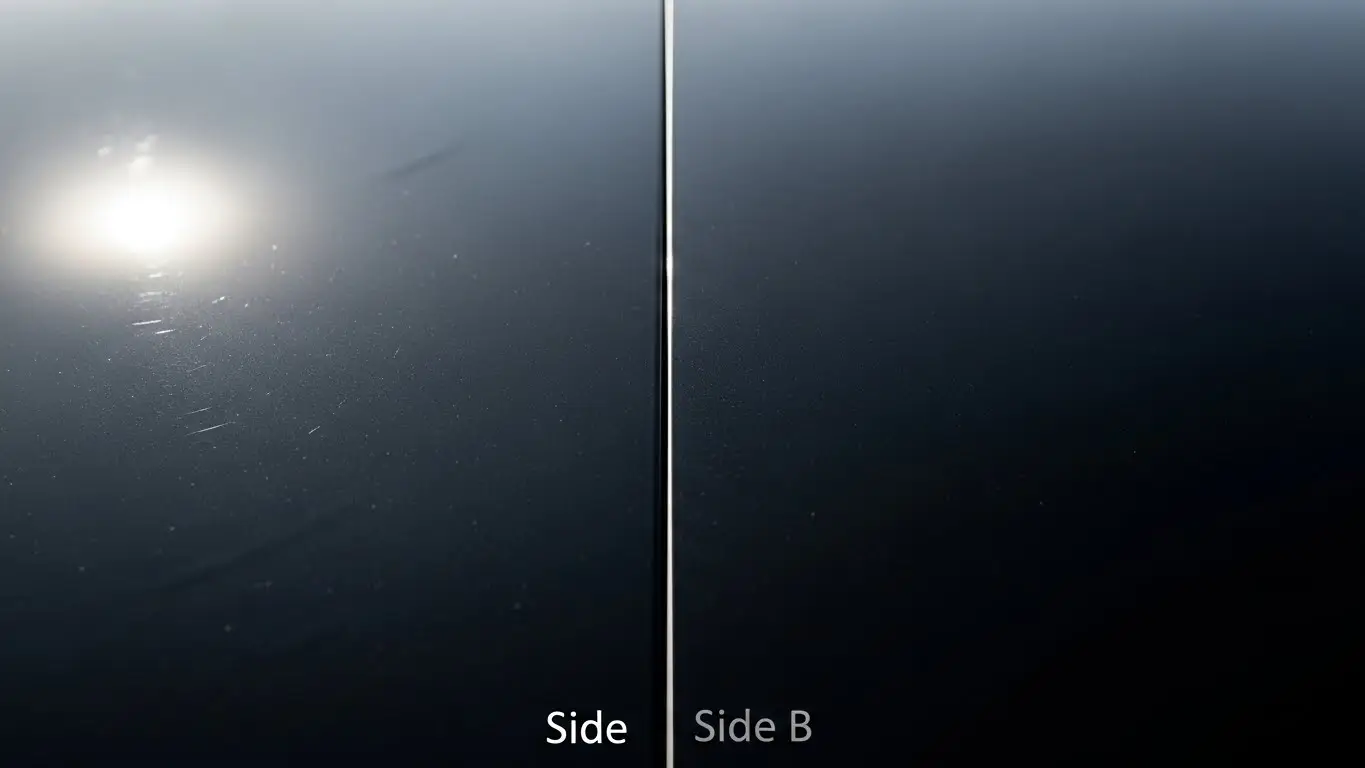
The primary reason car enthusiasts argue that colored PPF looks superior lies in the material composition. High-quality colored PPF is designed to replicate the depth of automotive paint, whereas vinyl is essentially a sticker sitting on top of the surface.
The "Orange Peel" Effect
If you inspect a standard matte vinyl wrap closely, you will often see a textured surface that resembles the skin of an orange. This distorts reflections and gives the car a distinct "wrapped" look. In contrast, high-end matte PPF uses advanced TPU (Thermoplastic Polyurethane) which lays flatter, offering a true satin sheen that allows body lines to pop without visual distortion.
For a detailed breakdown of the aesthetic trade-offs, check out our comprehensive colored PPF vs vinyl wrap comparison.
Visual Tip: If you want your car to look like it rolled out of the factory with a "Frozen" or "Magno" matte paint job, PPF is the only material that convincingly passes the eye test.
Durability: Keeping the Look "New"
A wrap only looks good as long as it stays damage-free. This is where the visual gap widens significantly after the first few months of ownership.
Scratch Resistance and Self-Healing
Vinyl wraps are delicate. If you wash a matte vinyl wrap incorrectly, you will create permanent gloss spots or micro-scratches that ruin the matte effect.
PPF, however, is significantly thicker (usually 8 mils vs. vinyl's 3-4 mils). It is designed specifically for protection against stone chips and road debris. More importantly, it is self-healing. The heat from the sun or your engine will cause minor scratches on the PPF to disappear, maintaining that flawless matte black look for years, not just months.
Does Colored PPF Justify the Higher Price?
Yes, if you prioritize longevity and paint protection.
While vinyl is cheaper upfront, it typically lasts 3–5 years before fading or cracking. Colored PPF can last 7–10 years. When you look at the pros and cons of colored PPF vs vinyl, the upfront investment of PPF often pays off because you aren't paying for removal and re-wrapping a few years down the line.
Comparison Table: Visuals & Longevity
| Feature | Matte Black Vinyl Wrap | Matte Black PPF |
| Finish Quality | Flat, slight "orange peel" texture | Deep, rich, paint-like satin |
| Self-Healing | No (scratches are permanent) | Yes (heat heals swirls) |
| Thickness | 3–4 mils (thin) | 7–8 mils (thick protective layer) |
| Lifespan | 3–5 Years | 7–10 Years |
| Hydrophobics | Low (needs ceramic coating) | High (often built-in) |
What is the material difference between TPU and PVC?
The difference is elasticity and chemistry.
Vinyl wraps are made from PVC (Polyvinyl Chloride), which is a rigid plastic that becomes brittle over time. PPF is made from TPU (Thermoplastic Polyurethane), which is an elastomer.
This chemical difference is why PPF looks "wet" and distinct, while vinyl looks "dry." The TPU material absorbs impacts and resists chemical staining (like bird droppings) much better than PVC. For a deep dive into the science, read about the TPU vs PVC car wrap differences.
Can you polish matte black wraps?
Generally, no.
You cannot polish matte vinyl or matte PPF in the traditional sense. Using a polisher or abrasive compound will smooth out the matte texture, creating an uneven shiny patch that cannot be fixed.
However, matte PPF is much easier to maintain than vinyl. Because it has hydrophobic top coats embedded in the film, mud and grime slide off easily. With vinyl, dirt tends to stick to the textured surface, requiring more aggressive scrubbing which—ironically—can damage the finish.
[Image Suggestion 1]: A split image showing a close-up of a vinyl wrap with "orange peel" texture on the left, vs a smooth matte PPF finish on the right.
Alt Text: Close up comparison of orange peel texture on vinyl wrap versus smooth finish of matte black PPF.
Frequently Asked Questions
Is matte black PPF more expensive than vinyl?
Yes. Matte black PPF is typically 2x to 3x the cost of a vinyl wrap. This is due to the higher cost of the TPU material and the more labor-intensive installation process required for PPF.
Does matte black vinyl fade in the sun?
Yes. Over time, UV exposure can cause matte vinyl to turn a chalky grey or uneven brownish-black. High-quality PPF is UV stable and will retain its deep black color for many years.
Can I run a car wash with a matte wrap?
It is highly recommended to avoid automatic car washes with brushes for both vinyl and PPF. However, touchless washes are generally safer for PPF than for vinyl, as high-pressure water can sometimes lift the edges of thinner vinyl film.
Key Takeaways
- Aesthetics: Matte Black PPF offers a deeper, smoother finish that looks like real automotive paint, whereas vinyl often has an "orange peel" texture.
- Maintenance: PPF is self-healing; vinyl is not. Swirls on vinyl are permanent.
- Protection: PPF protects your actual paint from rock chips; vinyl only offers cosmetic color change.
- Value: Choose vinyl for a short-term style change; choose PPF for long-term protection and premium looks.
Conclusion
If your budget allows, Matte Black PPF looks significantly better and functions better than vinyl wrap. It transforms your vehicle with a "frozen" paint aesthetic while providing military-grade protection against the road. While vinyl is a fun, cheaper option for temporary color changes, it simply cannot match the depth and clarity of a high-end TPU film.


