



Popular Articles
Midnight Purple Paint for GTR R34
2026.01.13
Exploring the Allure of Midnight Purple
2026.01.13
Benefits of Using Carbon Fiber Vinyl Wraps
2026.01.13
About Company
Colorfuul is a global leader in high-end automotive films, offering Color TPU PPF, Transparent PPF, PET Window Films, and Vinyl Wrapping. With exports to over 100 countries, we deliver consistent quality, competitive pricing, and professional service. Beyond production, we provide OEM/ODM customization, shaping the future of automotive aesthetics.
 mary@colorfuul.com
  86 13541196952
 Pearlescent & Flip Color PPF: Transform Your Ride Fast
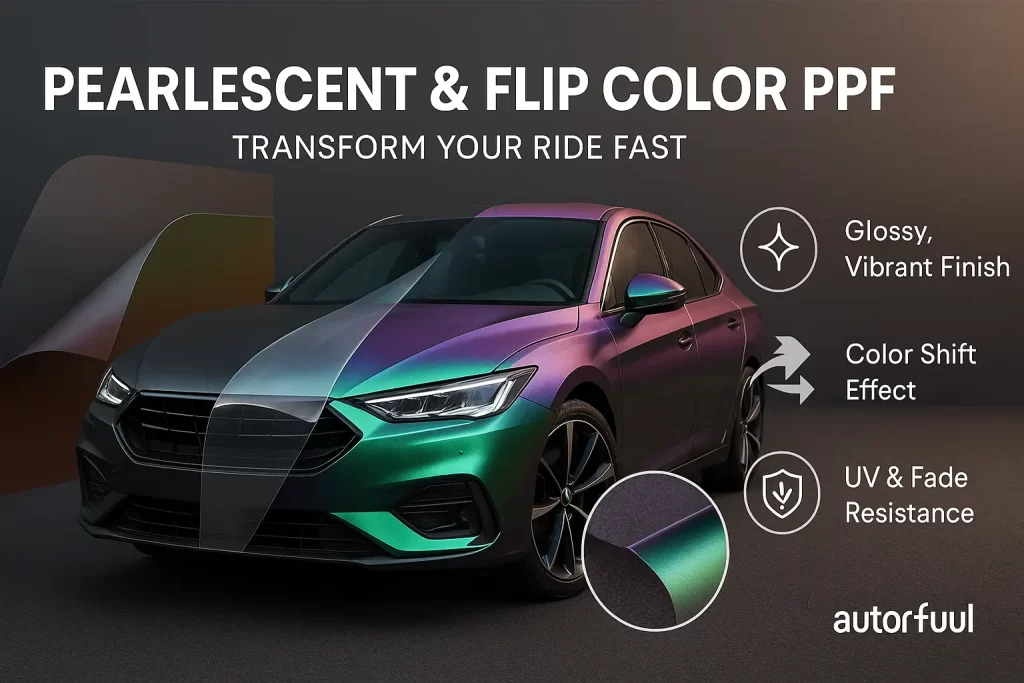
A pearlescent and flip color PPF is the ultimate expression of automotive personalization. These advanced paint protection films go far beyond a simple color change. They create dynamic, multi-dimensional visual effects that transform a vehicle into a piece of moving art. Pearlescent films offer a deep, glowing luster, while flip films shift between multiple colors depending on the light and viewing angle. These special effect films represent the cutting edge of customization technology. This guide will provide a deep dive into these exciting options, exploring the science behind them, their unique aesthetic qualities, and the special considerations they require.
Understanding Special Effect Pigments
To understand these advanced films, we must first look at their core ingredient: special effect pigments. Unlike the standard pigments that create a solid color, these are complex, multi-layered particles engineered to manipulate light in fascinating ways. They are what give the film its life, depth, and dynamic character. The technology behind these pigments is a marvel of material science.
Here are the key differences from standard pigments:
- Light Interaction: Standard pigments absorb some wavelengths of light and reflect others to create a single, stable color. Effect pigments interfere with light, refracting and reflecting it from multiple layers to create shifting colors and sheens.
- Composition: Standard pigments are often simple chemical compounds. Effect pigments are complex composites, often involving layers of mica, metal oxides, or other materials on a microscopic scale.
- Visual Effect: Standard pigments create a flat, uniform color. Effect pigments create a sense of depth, shimmer, and in the case of flip films, dramatic color change.
- Orientation Dependency: The final look of a standard pigment is not very dependent on how the particles are aligned. The visual effect of a special effect pigment is critically dependent on the precise orientation of each particle within the film.
The Science of Pearlescent Pigments (Mica and Metal Oxides)
Pearlescent pigments, often called "pearls," are designed to mimic the beautiful, shimmering luster of a natural pearl. They are typically made from tiny, flat platelets of a mineral called mica. These mica platelets are coated with a microscopically thin layer of a metal oxide, such as titanium dioxide or iron oxide. When light strikes these coated platelets, it passes through the metal oxide layer and reflects off the mica surface underneath. This creates a complex interplay of reflection and refraction that results in a soft, glowing, three-dimensional sheen.
The Science of Color-Shifting Pigments (Multi-layer flakes)
Color-shifting pigments, also known as "chameleon" or "flip" pigments, are even more complex. They are made from microscopic, multi-layered flakes. Each flake consists of a central opaque layer (like aluminum) coated with several semi-transparent layers of different materials. As light hits the flake, it is reflected from these different layers. The color we see is determined by how the light waves from these different reflections interfere with each other. Because the path of the light changes with the viewing angle, the color we perceive also changes dramatically.
How These Pigments Interact with Light
The key to all these effects is the manipulation of light. Instead of just a simple reflection, these pigments create a complex dance of light waves. The thickness of the coating on a pearl pigment or the layers in a flip pigment are controlled with nanometer precision. This precision is what determines which colors are reflected and which are absorbed at different angles. The final look is a result of this intricate physics playing out across the millions of tiny pigment particles embedded in the film. For a general overview of protective films, the Paint protection film page offers useful context.
What is Pearlescent Color PPF?
Pearlescent color PPF is a type of special effect film that provides a soft, shimmering luster. It is a more subtle and elegant option than a full color-shifting film. A pearlescent finish has a unique depth that a standard metallic or solid color cannot replicate. It is a premium choice for owners who want a finish that is both eye-catching and sophisticated.
Defining the Pearlescent Effect: A Soft, Deep Luster
The pearlescent effect is best described as a "glow from within." Unlike the bright sparkle of a metallic finish, a pearl finish has a softer, more diffuse shimmer. The color seems to have a luminous quality, as if it is being lit from behind. This effect is very dependent on the lighting. In low light, a pearlescent color may look like a rich solid color. In direct sunlight, the pearl effect comes alive, revealing the deep, shimmering undertones.
How It Differs from a Standard Metallic Finish
While both pearlescent and metallic finishes use light-scattering particles, the effect is different. Metallic finishes use opaque aluminum flakes that create a bright, glittery sparkle. Pearlescent finishes use semi-transparent coated mica platelets that create a softer, more colorful shimmer. A metallic finish has a very direct and flashy sparkle. A pearl finish has a more complex and subtle glow. This distinction is a key part of the current color ppf trends for 2025.
Popular Pearlescent Colors: Pearl White, Deep Blues, and Reds
Pearlescent effects can be added to almost any color. One of the most classic and popular applications is Pearl White. This is a very luxurious color that has a beautiful, iridescent sheen, similar to the inside of a seashell. Pearlescent pigments are also used to give dark colors more life and dimension. A deep, pearlescent blue or red will have a stunning glow in the sun, revealing vibrant undertones that are not visible in the shade.
The Psychology of a Pearl Finish: Luxury and Elegance
A pearlescent finish is strongly associated with luxury and high-end quality. The complex, luminous nature of the finish conveys a sense of craftsmanship and sophistication. It is a choice for an owner who wants their vehicle to look elegant, refined, and expensive. It is less aggressive than a color-shifting finish but more special and unique than a standard metallic.
What is Flip Color PPF?
Flip color PPF, also known as chameleon or color-shifting film, is the most dramatic and eye-catching option in the world of vehicle customization. These films are designed to change color completely depending on the viewing angle and how the light hits the vehicle's body. A car with a flip color PPF can look like a different vehicle from one moment to the next. It is the ultimate statement of individuality.
Defining the Flip Effect: A Multi-Color Shift
The flip effect is a true color transformation. It is not just a change in shade or shimmer; it is a shift between entirely different hues. As you walk around a vehicle with a flip color PPF, the colors will morph and blend into one another across the curves and body lines. This constant motion of color makes the vehicle incredibly dynamic and visually captivating.
Two-Tone Flips vs. Full Spectrum "Chameleon" Shifts
Flip color films come in a wide range of effects. Some offer a more subtle two-tone flip. For example, a film might shift between a deep purple and a dark green. These are still dramatic but operate within a more limited color palette. Other films offer a full spectrum or "chameleon" shift. These can move between three, four, or even five different colors, such as from gold to green to blue to purple. These are the most extreme and attention-grabbing options.
How Viewing Angle and Light Source Change the Color
The color you see on a flip film is a direct result of your viewing angle. If you look at a curved panel like a fender, you can often see two or three different colors at the same time. The color is also highly dependent on the light source. The effect will be most dramatic in bright, direct sunlight. On a cloudy day, the color shift will be more subdued, and the film may appear to be a single, dark, complex color.
The Psychology of a Flip Finish: Bold and Unconventional
Choosing a flip color PPF is a bold and confident move. It is a choice for an owner who loves attention and wants their vehicle to be completely unique. It is associated with custom car culture, high-energy performance, and a futuristic aesthetic. A flip finish is unconventional and breaks all the traditional rules of automotive color. It is a pure expression of creativity and a desire to stand out.
The Manufacturing Challenge: Creating Special Effect Films
Producing a high-quality pearlescent or flip color PPF is a highly complex and precise manufacturing process. The special effect pigments are expensive and difficult to work with. Creating a film that has a consistent, beautiful, and durable effect requires state-of-the-art technology and extremely strict quality control. This is why these films are a premium product.
Integrating Effect Pigments into the TPU
The special effect pigments must be perfectly dispersed throughout the TPU material. If they are not evenly distributed, the final film will have a patchy or mottled appearance. The pigments are also abrasive, which can be hard on the manufacturing equipment. The entire process, from mixing the pigments into the polymer to extruding the film, must be carefully controlled to ensure a uniform and flawless result.
Ensuring Uniform Pigment Orientation
For these films, the orientation of the pigment particles is everything. The mica platelets in a pearl film or the multi-layer flakes in a flip film must all lie flat and be oriented in the same direction within the film. If they are randomly oriented, the special effect will be lost. Manufacturers use specialized techniques during the extrusion and curing process to control the alignment of these microscopic particles. This is a critical and difficult step.
The Importance of a High-Quality, High-Clarity Top Coat
The special effects are happening within the colored TPU layer. To see these effects clearly, the film must have a very high-quality and optically clear top coat. This top coat must protect the delicate pigments underneath from UV radiation and chemical damage. It must also provide a perfectly smooth surface that does not distort the visual effect. On these films, the top coat acts like a crystal-clear lens that allows the magic of the pigments to shine through.
Why These Films are a Premium Product
The combination of expensive raw materials (the effect pigments) and a complex, difficult manufacturing process makes these films a premium product. They cost more to produce than a standard solid or metallic color film. This higher production cost is reflected in the final price to the consumer. The cost vs aesthetics of color ppf is a particularly important consideration with these high-end finishes.
Installation: The Art of Applying Dynamic Films
If manufacturing these films is a science, then installing them is an art form. Pearlescent and especially flip color PPF are the most difficult types of film to install correctly. The dynamic nature of the color means that any small mistake or inconsistency in the application will be highly visible. These films should only be handled by elite, master-level installers.
Why These Films are the Most Difficult to Install
The main challenge is that the color and effect are directional. The way the film looks depends on the orientation of the microscopic pigments within it. This means that every single piece of film applied to the vehicle must be oriented in the exact same direction. If one panel is applied with the film running in a different direction, it will reflect light differently and will not match the adjacent panels.
The Critical Importance of Directional Consistency
An installer must be meticulous about maintaining the direction of the film across the entire vehicle. They will often mark the film to ensure every piece is cut and applied with the same orientation. This requires a huge amount of planning and precision. It also means that there can be more material waste, as the installer cannot just use any leftover piece of film to fit a small area. The topic of color consistency in a ppf installation is more critical with these films than any other.
Managing Stretch and Avoiding Color Distortion
Stretching the film to fit a curved panel can also be a challenge. If the film is overstretched, it can distort the alignment of the special effect pigments. This can cause the color or the flip effect to look different in the stretched area. An installer must have a very deep understanding of the film's properties. They must know exactly how much it can be stretched before the effect is compromised. This is a skill that only comes with a great deal of experience.
Why Only Master Installers Should Handle These Films
Due to these extreme challenges, pearlescent and flip color films should only be installed by the best of the best. A vehicle owner should seek out a shop that has a proven track record and a portfolio of successful installations with these specific materials. It is not a job for a standard installer or a shop that is new to the craft. The success of the project is almost entirely in the hands of the installer.
The Visual Impact on Different Vehicles
The dramatic effects of pearlescent and flip color PPF can have a different impact depending on the type of vehicle they are applied to. The shape, size, and character of the vehicle all play a role in how the final result is perceived.
Enhancing the Curves of Sports Cars
Sports cars, with their low-slung profiles and dramatic, flowing body lines, are the perfect canvas for these films. The way a flip color shifts and changes over the wide fenders and sharp creases of a sports car is stunning. A pearlescent finish can give a sports car an extra layer of luxury and exotic appeal. These films are a perfect match for the high-energy and high-design nature of performance vehicles.
Making Motorcycles Look Like Custom Art
The complex, multi-part nature of a motorcycle makes it a fascinating subject for a special effect film. The color can shift differently on the tank, the fairing, and the tail section, creating a constantly changing visual. Applying a high-end pearlescent or flip film can turn a standard production bike into a show-winning piece of custom art. The options for color tpu ppf for motorcycles are particularly exciting with these materials.
A Bold Choice for SUVs and Trucks
While less common, applying a special effect film to a large SUV or truck is an incredibly bold statement. The massive, flat body panels of these vehicles provide a huge canvas for the color to play out. A subtle pearlescent finish can give a luxury SUV a unique and elegant look. A full chameleon flip on a large truck is a guaranteed way to have the most talked-about vehicle in town. When considering the best ppf colors for an suv, these are the most adventurous options.
How Finish (Matte vs. Gloss) Affects the Effect
These special effect pigments can also be paired with different finishes. A gloss finish will provide the most dramatic and vibrant effect. It will allow the pearl to have the most luster and the flip to have the sharpest color change. A matte or satin finish can also be used. This will mute the effect slightly, creating a softer, more subtle shimmer or color shift. This can be a very sophisticated look. The choice between a matte vs gloss tpu ppf is another layer of customization.
Maintenance and Long-Term Care for Special Effect Films
Caring for a vehicle with a pearlescent or flip color PPF requires attention to detail, but it is not overly difficult. The main goal is to protect the film's advanced top coat and preserve the clarity that allows the special effects to shine through.
Are They Harder to Clean?
These films are not necessarily harder to clean, but they do require the same gentle care as any high-quality automotive finish. Use of the two-bucket wash method, a pH-neutral soap, and soft microfiber towels is essential. The key is to avoid any abrasive polishes or harsh chemicals that could dull or damage the top coat. A damaged top coat will obscure the special effect underneath.
Protecting the Complex Top Coat
The top coat on these films is a high-clarity formula designed to maximize the visual effect. It is important to protect it. Applying a high-quality, PPF-safe ceramic coating or sealant is highly recommended. This will add an extra layer of protection and make the surface even slicker and easier to clean.
How the Self-Healing Properties Perform
These films have the same self-healing top coats as standard color and clear PPF. This is a huge benefit. The film can repair minor swirl marks and scratches on its own with the application of heat. This keeps the finish looking flawless and ensures that small abrasions do not interfere with the beauty of the pearl or flip effect.
Repairing a Damaged Panel: The Matching Challenge
If a panel with a special effect film is damaged, repair can be a challenge. Replacing the panel is straightforward, but ensuring a perfect match can be difficult. Because the color is directional, the new piece must be from the same batch of film and must be installed in the exact same orientation. This is another reason why it is crucial to work with a high-end, professional shop that keeps good records and has a strong relationship with the manufacturer. This is even more complex than the process to match ppf to factory paint.
Cost and Value Considerations
Pearlescent and flip color PPF are the most expensive options in the paint protection film market. The high cost is a direct result of the expensive pigments and the difficult manufacturing and installation processes. For many owners, however, the incredible visual result is well worth the investment.
Why Pearlescent and Flip Films are More Expensive
There are several factors that contribute to the higher cost. The special effect pigments themselves are very expensive raw materials. The manufacturing process is slower and has a higher rejection rate, which adds to the cost. The installation is more time-consuming and requires a higher level of skill, which increases the labor cost. Finally, there is often more material waste during installation to ensure directional consistency.
The Value of a Truly Unique, Head-Turning Vehicle
The value of these films is not just in their protection; it is in their exclusivity. For an owner who wants a vehicle that is guaranteed to be the center of attention, these films deliver in a way that nothing else can. The cost is part of what makes them exclusive. The investment is in a level of personalization that is truly unique. This is especially true when using custom color ppf services to create a one-off effect.
Comparing the Cost to a Custom Paint Job
When compared to a high-end custom paint job that uses similar special effect paints, the cost of a PPF installation can be very competitive. A show-quality chameleon paint job can be astronomically expensive. A PPF application can achieve a similar look, often for less money, while also being completely reversible and providing superior protection. The same logic applies to commercial vehicles, though these unique finishes are less common when choosing colors for commercial fleets.
Final Thoughts
A pearlescent and flip color PPF represents the pinnacle of what is possible in vehicle customization today. These technologically advanced films do more than just change a car's color; they give it a dynamic, living finish. They offer a choice between the elegant, deep luster of a pearl and the bold, head-turning drama of a color shift. While they require a significant investment and the skill of a master installer, the result is a vehicle that is truly unique. For the owner who wants to push the boundaries of style while getting the best protection available, these films are the ultimate choice.


