



Popular Articles
Midnight Purple Paint for GTR R34
2026.01.13
Exploring the Allure of Midnight Purple
2026.01.13
Benefits of Using Carbon Fiber Vinyl Wraps
2026.01.13
About Company
Colorfuul is a global leader in high-end automotive films, offering Color TPU PPF, Transparent PPF, PET Window Films, and Vinyl Wrapping. With exports to over 100 countries, we deliver consistent quality, competitive pricing, and professional service. Beyond production, we provide OEM/ODM customization, shaping the future of automotive aesthetics.
 mary@colorfuul.com
  86 13541196952
 How to Repair Scratches with Self-Healing TPU PPF: How It Works
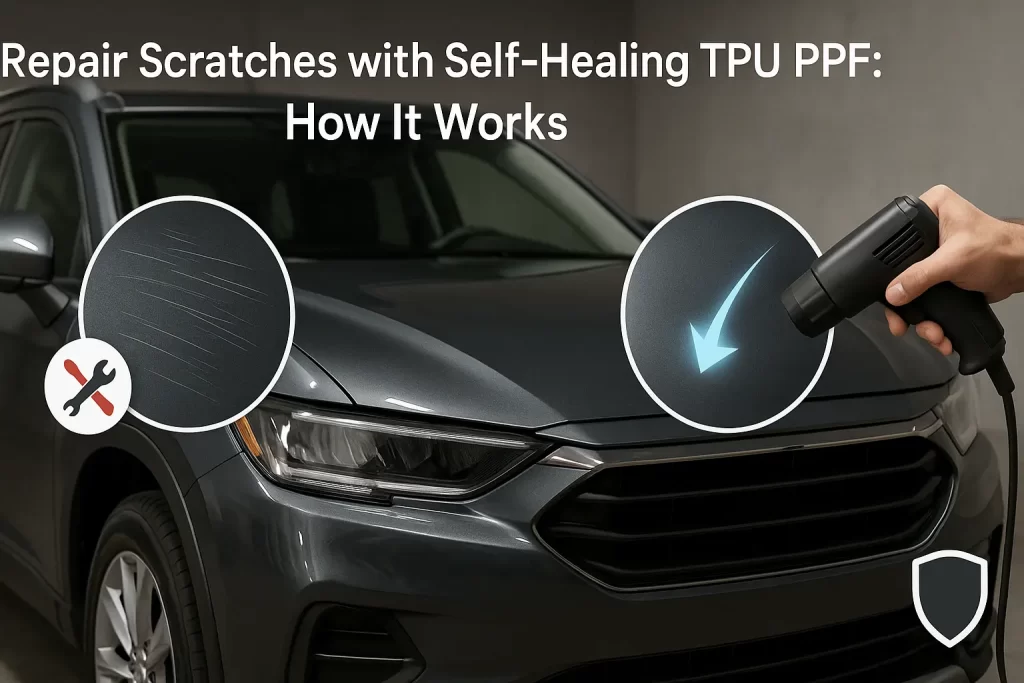
The ability to repair scratches with self-healing TPU PPF is one of the most remarkable advancements in automotive surface protection. This technology allows a paint protection film to automatically mend minor scratches and swirl marks, actively maintaining a flawless, mirror-like finish for years. It is a feature that turns a passive protective layer into an active, regenerating shield. But how does it actually work? This is not magic; it is a sophisticated application of polymer science. This comprehensive guide will explore the science behind self-healing technology, the practical methods for activating the repair process, and the crucial limitations of what can and cannot be fixed.
The Science of Self-Healing: A Molecular Deep Dive
The incredible ability of a paint protection film to heal itself is not a property of the entire film. It is a specific feature of its ultra-thin, outermost layer, known as the top coat. This microscopic layer is a highly advanced, specially engineered material that is designed to be both tough and resilient. Understanding its unique molecular structure is the key to understanding how it can repair itself.
Understanding the Elastomeric Polyurethane Top Coat
The top coat of a premium PPF is made from a class of polymers known as elastomers. An elastomer is a polymer that has a high degree of viscosity and elasticity. In simpler terms, it is a material that is flexible, stretchable, and has a "memory" of its original shape. The specific material used is a proprietary polyurethane clear coat. This material is chosen for its optical clarity, its resistance to chemicals, and its unique, flexible molecular structure.
The Cross-Linked Polymer Network Explained
At a microscopic level, this polyurethane top coat is composed of extremely long chains of polymer molecules. During the manufacturing process, these long chains are chemically bonded to each other at various points. This creates an interconnected, three-dimensional structure that can be visualized as a sort of molecular fishnet or a flexible mesh. This is known as a "cross-linked" network. This network is what gives the top coat its strength and resilience.
The Concept of "Shape Memory" Polymers
The elastomeric top coat is a type of shape memory polymer. This means that the material has a default, low-energy state that it naturally wants to be in. For the top coat, this state is a perfectly flat, smooth surface. The cross-linked network is designed to be in its most stable and relaxed configuration when the surface is smooth. This built-in "memory" is the driving force behind the healing process.
How a Scratch Disrupts the Network Without Breaking It
When a light scratch occurs, such as a swirl mark from a dirty wash mitt, it is important to understand what is happening at a molecular level. The scratch is not actually cutting or breaking the polymer chains. Instead, the force of the abrasion is simply pushing the flexible polymer chains apart. It is creating a temporary groove or valley in the polymer network. The network itself is still intact, just distorted. The material is now in a higher-energy, less stable state, and it will naturally try to return to its flat, low-energy configuration.
The Catalyst for Repair: The Role of Thermal Energy
The polymer network's natural desire to return to a smooth state is the potential for healing. However, to make this happen, the polymer chains need the ability to move. At room temperature, the chains are relatively locked in place and do not have enough mobility to overcome the distortion of the scratch. This is where thermal energy, or heat, comes in. Heat is the catalyst that unlocks the healing potential of the material.
How Heat Provides the Energy for Molecular Mobility
When heat is applied to the film's surface, this thermal energy is transferred to the polymer molecules. This causes the molecules to vibrate and move more energetically. The flexible bonds within the cross-linked network loosen up, and the entire structure becomes more fluid and pliable. This increased molecular mobility gives the polymer chains the freedom they need to rearrange themselves.
The Physics of Re-flowing and Leveling the Surface
With this newfound mobility, the polymer network begins to act on its inherent desire to return to its low-energy state. The chains of molecules start to flow and shift, moving to fill in the valley that was created by the scratch. The surface tension of the material helps to pull the distorted area back into a flat plane. The groove becomes shallower and shallower until it is completely level with the surrounding surface. The molecular network is now back in its relaxed, stable, and smooth configuration.
Why This is a Physical Rearrangement, Not a Chemical Reaction
It is important to note that this is a purely physical process. There is no chemical reaction taking place. No material is being created or destroyed. The film is simply rearranging its own existing molecular structure to restore its original shape. This is why the process can be repeated over and over again without degrading the film. It is a process of physical reformation, not chemical change. For a general overview of protective films, the Paint protection film page offers useful context.
Does the Healing Ability Diminish Over Time?
As long as the top coat is intact and has not been damaged by harsh chemicals or deep scratches, its self-healing ability will not diminish over time. The property is an inherent part of the material's physical structure. It will continue to function for the entire warrantied life of the film. A ten-year-old film will heal a light swirl mark just as effectively as a brand-new one, provided it has been properly cared for.
Practical Guide: How to Actively Repair Scratches
While the science is complex, the practical process to repair scratches with self-healing TPU PPF is remarkably simple. An owner has several methods available to them to introduce the necessary heat to activate the healing process. These methods range from completely passive to more active and direct.
Method 1: Passive Healing with Solar Energy (The Sun)
The easiest, safest, and most common method for activating the self-healing feature is to use the sun. The sun's radiant energy is a powerful and free source of heat. Simply parking the vehicle in a sunny spot on a warm day is often all that is needed to erase light swirl marks and other minor imperfections. The surface of a dark-colored car can easily reach the optimal temperature for healing in direct sunlight. This passive healing means that the film is constantly maintaining itself throughout the warmer months.
Method 2: Active Healing with a Heat Gun (The Professional's Tool)
For a more immediate or focused repair, a heat gun can be used. This is the method that professional detailers use. It is important to use a high-quality heat gun with a variable temperature setting. The gun should be set to a low or medium heat. It must be kept several inches away from the film's surface and must be in constant, sweeping motion. Never hold the heat gun stationary in one spot. The goal is to gently warm the area until the scratch disappears, which often takes only a few seconds.
Method 3: The Safe DIY Method with Warm Water
For an owner who wants to actively heal a scratch but is nervous about using a heat gun, warm water is a very safe and effective alternative. Heat some water so that it is hot to the touch but not boiling (around 60-80 degrees Celsius or 140-175 degrees Fahrenheit is ideal). Carefully pour this warm water over the scratched area. This will provide enough thermal energy to activate the healing process. This method is completely safe and carries no risk of overheating or damaging the film.
Step-by-Step Instructions and Safety Precautions for Each Method
For the Sun:
- Ensure the scratched area is clean.
- Park the car so the scratched panel is in direct sunlight.
- Wait. The time required will vary depending on the sun's intensity and the depth of the scratch, from a few minutes to a few hours.
Warm Water Use:
- Ensure the area is clean.
- Heat clean water to a temperature that is hot but safe to handle.
- Carefully pour the water over the scratch.
- The scratch should disappear almost instantly.
- Gently dry the area with a clean microfiber towel.
For a Heat Gun (Advanced Users Only):
- Ensure the area is clean.
- Set the heat gun to its lowest or a medium setting.
- Hold the gun at least 12 inches (30 cm) away from the surface.
- Keep the gun moving in a constant, sweeping motion. Do not point it at one spot.
- Watch the scratch closely. As the surface warms, you will see it vanish. This should only take 10-20 seconds of heating.
- Once the scratch is gone, stop applying heat immediately.
Understanding the Limits: What Can and Cannot Be Repaired
The self-healing technology is incredible, but it is not magic. It has very clear and defined limits. It is designed to repair only minor, superficial damage that is confined to the film's top coat. Understanding these limitations is crucial for having realistic expectations of the film's performance.
Healable Damage vs. Unhealable Damage
The self-healing feature is a master of cosmetic maintenance. It excels at removing the types of blemishes that accumulate over time and dull a vehicle's finish. However, it cannot repair significant physical trauma to the film.
Here is a list of what the film can and cannot typically repair:
- Healable Damage: Fine swirl marks from washing. Light scratches from fingernails. Scuffs from a jacket or bag. Minor abrasions from brushing against a bush. Buffer trails from improper polishing.
- Unhealable Damage: Scratches from a key or a sharp object that cuts the film. Rock chips that create a puncture or impact mark. Any tear or rip in the film. Scrapes from a collision that gouge the material. Chemical etchings that have eaten through the top coat.
Why the Damage Must Be Limited to the Top Coat
The healing mechanism is a property of the top coat only. The thicker TPU core layer underneath does not have this self-repairing structure. Therefore, for a scratch to be healable, it must be shallower than the thickness of the top coat. If a scratch is deep enough to cut through the top coat and into the TPU layer, it is permanent. The polymer network of the top coat has been severed and can no longer reform to close the gap.
When a Panel Replacement is the Only Solution
If the film sustains damage that is too deep to self-heal, the film has still done its primary job. It has sacrificed itself to protect the paint underneath. The damage is in the film, not in your car's expensive paint. In these cases, the only solution is to have a professional installer remove the film from the damaged panel and apply a new piece. This is why knowing when to replace color ppf is an important part of long-term ownership.
The Importance of a Healthy Top Coat for Effective Healing
The self-healing feature can only work if the top coat is in good condition. A top coat that is dirty, contaminated, or has been damaged by harsh chemicals will not be able to heal effectively. Proper, routine maintenance is therefore essential for preserving the film's most advanced feature.
How Proper Cleaning Protects the Healing Layer
The most important thing an owner can do is to keep the film clean using safe and gentle methods. Abrasive washing techniques can inflict scratches that are too deep to heal. A buildup of road grime and other contaminants can clog the microscopic pores of the top coat, which can inhibit the free movement of the polymer chains. A consistent routine as detailed in our guide to clean color ppf is the best way to keep the top coat healthy.
The Role of a Ceramic Coating or Sealant
Applying a PPF-safe ceramic coating or sealant is a highly recommended step. This adds a sacrificial, protective layer on top of the film's top coat. This new layer will take the brunt of the daily abuse. It can prevent some scratches from ever reaching the self-healing layer. It also makes the surface much slicker and easier to clean, which further reduces the risk of wash-induced swirl marks.
How Contaminants Can Inhibit the Healing Process
If a scratch is full of dirt, wax residue, or other contaminants, the healing process may be less effective. The polymer chains may not be able to fully close the gap if it is filled with foreign material. This is another reason why it is important to clean the surface thoroughly before attempting an active healing process with a heat gun or warm water. The ability to prevent stains on ppf is directly linked to the health of the top coat.
Self-Healing Performance in Different Conditions
The effectiveness and speed of the self-healing process can be influenced by the ambient environmental conditions. Temperature is the most significant factor, but other seasonal challenges can also play a role.
How Temperature Affects Healing Speed and Efficiency
As we have discussed, heat is the catalyst for healing. This means that the self-healing feature will be much more active and efficient in the summer than in the winter. In a hot climate, the film is constantly healing itself from minor abrasions. In a very cold climate, the passive healing process will be very slow or non-existent.
Special Considerations for Seasonal Care
This temperature dependence is a key part of a good seasonal care routine. In the summer, an owner can rely more on the sun to keep the finish flawless. In colder months, they may need to be more proactive about using warm water or bringing the car into a heated garage to deal with any new scratches. Understanding how to perform winter care for color PPF means understanding this change in the film's properties.
Does the Age of the Film Impact its Healing Ability?
No. As long as the film has been properly maintained and the top coat is in good health, its age does not have a significant impact on its ability to self-heal. The polymer network's structure is very stable. A ten-year-old film that has been well-cared-for will still be able to heal light swirl marks effectively. The property is designed to last for the entire life of the film.
Debunking Common Myths About Self-Healing Technology
The incredible nature of self-healing technology has led to some common myths and misconceptions. It is important to have a clear and realistic understanding of what the technology is and what it is not.
Myth: The Film is "Scratch-Proof" or Indestructible
This is the biggest and most dangerous myth. No paint protection film is scratch-proof. The self-healing feature only works for light, superficial scratches. A deep cut from a key, a rock chip, or a scrape against a wall will damage the film in a way that cannot be healed. The film is a sacrificial barrier, not an invincible force field.
Myth: You Can Use an Open Flame to Heal Scratches
This is an extremely dangerous and completely false idea that has circulated in some online videos. Never, ever apply an open flame from a lighter or a torch to your paint protection film. This will instantly melt and burn the film, causing catastrophic and irreversible damage. It is an incredibly unsafe and ineffective method.
Myth: The Film Heals Instantly Like in a Movie
The healing process takes time. Even with direct heat from a heat gun, it can take several seconds for the scratch to disappear. With the passive heat from the sun, it can take hours. The healing is a gradual, molecular process, not an instantaneous magical event.
How to Repair Scratches with Self-Healing TPU PPF
The ability to repair scratches with self-healing TPU PPF is a truly revolutionary technology that has changed the game for vehicle protection. It provides a level of cosmetic maintenance that was previously unimaginable. By understanding the science of its elastomeric top coat and the role of heat as a catalyst, owners can appreciate the incredible engineering behind this feature. While it has clear limitations and cannot fix deep damage, its ability to continuously erase the fine swirl marks and scuffs of daily life is what keeps a protected vehicle looking showroom-new for years. It is this active, regenerative defense that makes a premium paint protection film the single best investment you can make in your vehicle's long-term beauty and preservation.


