



Popular Articles
Ultimate Guide to 360° Comprehensive Interior Detailing — Deep Clean, Sanitize and Protect Your Car’s Cabin
2026.02.04
Singapore Car Window Tinting Guide: Rules, Benefits, and How to Choose the Right Film
2026.02.04
The Complete Guide to Colour Wraps — Transforming Your Car’s Look with Style and Protection
2026.02.04

About Company
Colorfuul is a global leader in high-end automotive films, offering Color TPU PPF, Transparent PPF, PET Window Films, and Vinyl Wrapping. With exports to over 100 countries, we deliver consistent quality, competitive pricing, and professional service. Beyond production, we provide OEM/ODM customization, shaping the future of automotive aesthetics.
 mary@colorfuul.com
  86 13541196952
 What's the Difference Between TPH and TPU PPF?
The primary difference between TPH and TPU PPF lies in their material composition and long-term durability. TPU (Thermoplastic Polyurethane) is a premium material known for its superior elasticity, true self-healing properties, and resistance to yellowing, typically lasting 5 to 10 years. In contrast, TPH is a cheaper alternative made from PVC (Polyvinyl Chloride) mixed with plasticizers to mimic the flexibility of TPU. While TPH is more affordable, it lacks genuine self-healing capabilities and often becomes brittle, cracks, or yellows within 2 to 3 years. Choosing between them comes down to a trade-off between upfront cost and long-term vehicle protection.
The Core Breakdown: Material Composition
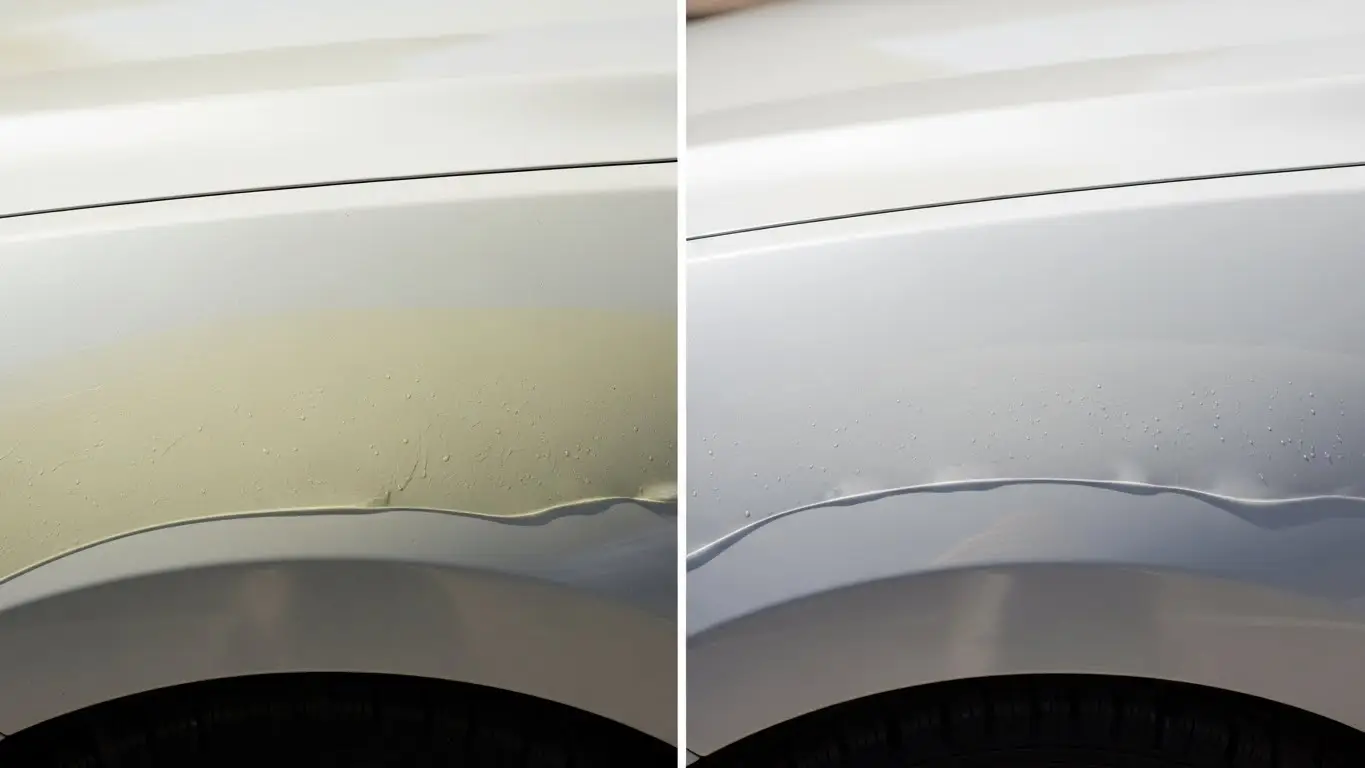
To make an informed decision, you need to understand the chemistry behind these films. The acronyms tell the story of the film's quality.
What is TPU PPF?
TPU stands for Thermoplastic Polyurethane. It is currently the industry standard for high-quality Paint Protection Film. TPU is chemically designed to be flexible and durable against harsh environmental elements.
A major advantage of high-end TPU is the use of specific chemical structures that prevent discoloration. For a deeper dive into this chemistry, you can read about what is aliphatic TPU film, which explains why premium films stay clear over time.
What is TPH PPF?
TPH is often referred to as a "hybrid" film. It is essentially a PVC base that has been chemically enhanced with plasticizers to make it softer and more flexible than traditional vinyl.
While it is an upgrade over basic vinyl, it still shares DNA with older technologies. If you are comparing different wrap materials, understanding the gap between TPU vs. PVC wraps helps highlight why TPH is considered a budget-friendly middle ground rather than a premium solution.
Comparison Table: TPH vs. TPU at a Glance
| Feature | TPH (Hybrid PVC) | TPU (Thermoplastic Polyurethane) |
| Base Material | PVC + Plasticizers | Thermoplastic Polyurethane |
| Durability | 2 - 3 Years | 5 - 10 Years |
| Self-Healing | Minimal / Temporary | Excellent (Heat Activated) |
| Yellowing | High Risk (over time) | Low Risk (Non-yellowing) |
| Elasticity | Moderate | High (Easy to stretch) |
| Cost | Low / Budget | High / Premium |
For a more technical analysis of these differences, check out our guide on TPU vs. TPH film technology.
Is TPH PPF Worth It?
TPH is worth it only if you are on a strict budget and plan to keep the wrap for a short period (1-2 years).
While TPH is cheaper than TPU, it comes with risks. Because TPH relies on plasticizers to stay flexible, these chemicals eventually evaporate or break down. When this happens, the film returns to its natural, brittle PVC state. This can lead to cracking and, in worse cases, difficult removal that leaves heavy glue residue on your paint.
However, for short-term leases or show cars that aren't driven daily, TPH can provide a glossy look at a fraction of the price of TPU.
How Long Does TPH Film Last Compared to TPU?
Short Answer: TPH typically lasts 2-3 years maximum, whereas high-quality TPU lasts 5-10 years.
Longevity is the biggest differentiator. TPU films are engineered to withstand UV radiation and road debris without breaking down.
- TPU: Maintains clarity and elasticity for virtually the life of the car ownership.
- TPH: Often shows signs of "aging" such as yellowing or hazing after the first 18 months of sun exposure.
Does TPH Film Have Self-Healing Properties?
Short Answer: No, TPH does not have true self-healing properties; it uses a soft coating that only simulates the effect temporarily.
True self-healing is a characteristic of the elastomeric polymers found in TPU. When scratched, TPU polymers can rearrange themselves when heat is applied, effectively erasing the damage. You can learn more about the mechanics of this in our article on how self-healing PPF works.
TPH films mimic this by using a very soft top coating. While minor swirls might disappear initially, deep scratches will permanently cut through the film because the core material (PVC) does not "flow" back together like TPU does.
How to Test the Difference (Visual & Physical)
If you are at a shop and want to verify what film is being used, there are two common tests:
- The Stretch Test:
- TPU: Stretches significantly without whitening. It feels rubbery and strong.
- TPH: Has limited stretch. If you pull hard, it may turn white (stress marks) or tear more easily than TPU.
- The Burn Test (For Professionals):
- TPU: Burns with a clean, sweet smell and turns into a black liquid.
- TPH: Burns with a harsh, chemical plastic smell (like burnt PVC pipe) and turns into hard, black ash.
Frequently Asked Questions
Yes, you can apply ceramic coating to TPH film. It will help enhance the gloss and hydrophobicity, potentially extending the film's life slightly by protecting the top layer from UV rays.
Yes. TPH is chemically "softer" and clearer than standard vinyl. It bridges the gap between a color change vinyl wrap and actual PPF, offering better protection than vinyl but less than TPU.
It can if left on too long. If the film becomes brittle and cracks, removing it can be a nightmare. The adhesive on cheaper TPH films can sometimes bond too aggressively to the clear coat over time.
Key Takeaways
- TPU is the Investment Choice: Best for long-term protection, self-healing, and resale value.
- TPH is the Budget Choice: Good for short-term applications but prone to yellowing and cracking.
- Check the Material: Always ask your installer if they are using Aliphatic TPU or a PVC-based hybrid.
- Maintenance Matters: Both films benefit from regular washing, but TPU requires less effort to keep looking new.
Conclusion
Choosing between TPH and TPU PPF ultimately depends on your goals and budget. If you want "install-it-and-forget-it" protection that keeps your car looking pristine for years, TPU is the clear winner. However, if you need a temporary solution or are adhering to a strict budget, TPH offers a middle ground better than standard vinyl.
Ready to protect your ride? Browse our premium selection of films to find the perfect match for your vehicle's needs.


