



Popular Articles
Midnight Purple Paint for GTR R34
2026.01.13
Exploring the Allure of Midnight Purple
2026.01.13
Benefits of Using Carbon Fiber Vinyl Wraps
2026.01.13

About Company
Colorfuul is a global leader in high-end automotive films, offering Color TPU PPF, Transparent PPF, PET Window Films, and Vinyl Wrapping. With exports to over 100 countries, we deliver consistent quality, competitive pricing, and professional service. Beyond production, we provide OEM/ODM customization, shaping the future of automotive aesthetics.
 mary@colorfuul.com
  86 13541196952
 TPU Paint Protection Film: Ultimate Beginner’s Guide
A TPU paint protection film is a modern solution for vehicle care. It provides a durable shield for a car's painted surfaces. This guide offers a complete overview for anyone new to this technology. We will explore what this film is, how it works, and its key advantages. The information presented here will help you understand why thermoplastic polyurethane, or TPU, is the leading material in the paint protection industry. It covers the essential details needed to make an informed decision about protecting a vehicle's finish.
What Exactly is TPU Paint Protection Film?
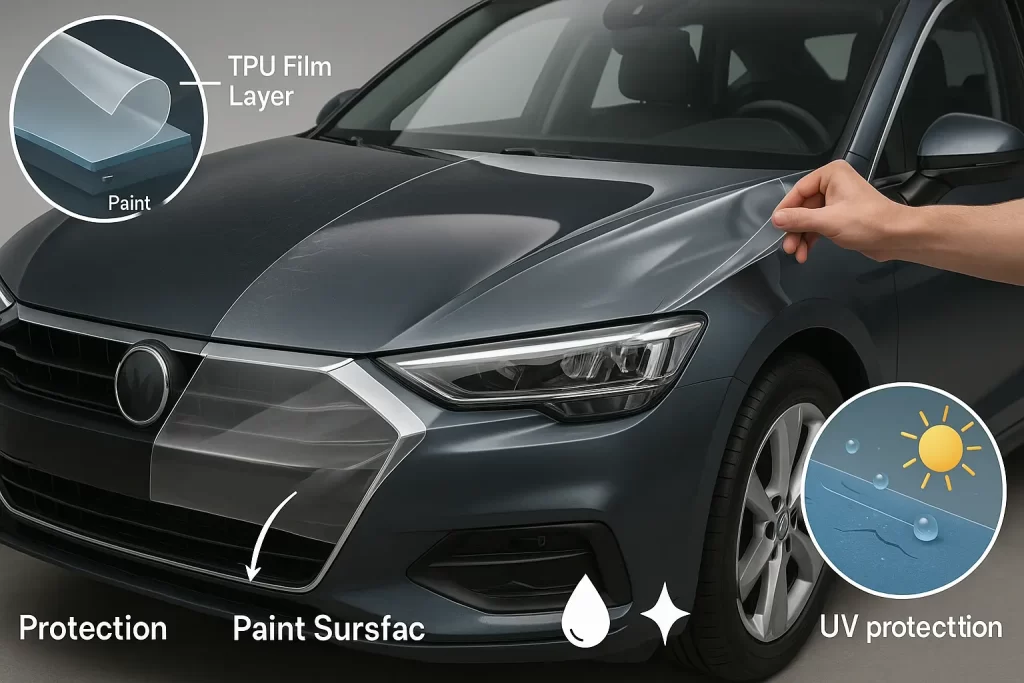
TPU paint protection film is a transparent or colored layer applied to a vehicle's exterior. Its main purpose is to guard the paint against physical and environmental damage. This includes rock chips, minor scratches, bug splatter, and bird droppings. The film acts as a sacrificial barrier. It absorbs impacts and contaminants that would otherwise harm the factory paint. High-quality TPU films are nearly invisible when applied correctly. They do not alter the car's appearance, preserving its original color and gloss. This technology has become the standard for vehicle owners seeking long-term paint preservation.
The Science Behind Thermoplastic Polyurethane (TPU)
Thermoplastic polyurethane is a unique class of plastic. It belongs to the polymer family. TPU is known for its exceptional properties. It has high elasticity, great transparency, and strong resistance to oil and abrasion. Unlike other plastics, TPU can be stretched significantly without breaking. It returns to its original shape afterward. This flexibility makes it ideal for conforming to the complex curves of a vehicle. The molecular structure of TPU allows it to dissipate energy from impacts. This prevents the force from reaching the paint underneath. These characteristics are central to the film's protective abilities. The TPU PPF materials are engineered for maximum resilience and longevity.
Core Composition of a TPU PPF Layer
A TPU paint protection film is not a single layer. It is a multi-layered composite. Each layer serves a specific function. The top layer is typically a clear coat. This layer provides stain resistance and self-healing properties. It is the first line of defense against contaminants and minor scratches. Beneath the clear coat is the thermoplastic polyurethane film itself. This is the thickest and most important layer, providing impact absorption. Below the TPU is the adhesive layer. This is a specially formulated acrylic adhesive. It allows the film to bond securely to the vehicle's paint without causing damage. Finally, a protective liner is on the bottom. This liner is removed during installation.
How TPU Differs from Older PVC and TPH Films
Before TPU became the industry standard, other materials were used. Polyvinyl chloride (PVC) was an early option. PVC films are less flexible than TPU. They can become brittle and yellow over time with sun exposure. They also lack the self-healing capabilities found in modern films. Thermoplastic Polyurethane Hybrid (TPH) was another alternative. TPH films blend properties of both PVC and TPU. While an improvement over PVC, they do not offer the same level of durability or clarity as a pure TPU film. TPU provides superior elasticity, stain resistance, and a longer lifespan. This makes it the clear choice for high-quality paint protection applications.
Why is TPU the Preferred Material for Modern PPF?
TPU is the preferred material for modern paint protection film for several key reasons. Its advanced chemical structure gives it properties that older materials cannot match. Installers and vehicle owners choose TPU because it offers the best combination of protection, appearance, and durability. The material's inherent flexibility allows for a much smoother and more seamless installation process, even on highly contoured body panels. Its ability to maintain its form and function over many years makes it a reliable investment for preserving a vehicle’s condition.
Understanding the Flexibility and Durability of TPU
The flexibility of TPU is one of its most important attributes. The material can be stretched and manipulated to cover bumpers, mirrors, and fenders without seams or relief cuts. This creates a more uniform and invisible appearance. Once applied, the film's durability comes into play. It resists punctures and tearing far better than PVC or TPH films. This means it can withstand impacts from road debris like gravel and stones without failing. The film is designed to endure daily driving conditions for years. It protects the paint from the constant wear and tear that diminishes a car’s look and value.
The Self-Healing Properties Explained
Many high-quality TPU films feature a self-healing top coat. This remarkable ability allows the film to repair minor scratches on its own. The top layer is made of a special polymer network. When a light scratch occurs, this network is disrupted. Applying heat, either from the sun or a heat gun, causes the polymers to return to their original arrangement. This process makes the scratch disappear from the surface of the film. This means swirl marks from washing or light scuffs can be corrected easily. The self-healing TPU PPF technology keeps the film looking smooth and new. It helps maintain the vehicle's flawless finish for a longer period.
Superior Clarity and Resistance to Yellowing
A major concern with older paint protection films was their tendency to yellow. Exposure to ultraviolet (UV) radiation from the sun would cause PVC films to discolor. This yellowing effect would detract from the vehicle's appearance. TPU films are formulated with special UV inhibitors. These inhibitors prevent the material from breaking down and yellowing. As a result, premium TPU films remain optically clear throughout their service life. This ensures that the vehicle's original paint color stays true and vibrant. The film's clarity makes it virtually undetectable once installed, preserving the factory look.
How UV Resistance Protects Your Paint
Beyond preventing the film from yellowing, UV resistance offers another critical benefit. It helps protect the vehicle's paint from fading. The sun's UV rays can break down the pigments in automotive paint over time. This leads to a dull and faded appearance. A TPU paint protection film acts like a sunscreen for the car. It blocks a significant portion of harmful UV radiation from reaching the paint. This preserves the richness and depth of the paint color for much longer. The UV resistance in TPU PPF is a key feature for maintaining the long-term aesthetic appeal of any vehicle.
What are the Main Benefits of Installing TPU PPF?
Installing TPU paint protection film offers numerous benefits for any vehicle owner. These advantages range from physical protection to financial preservation. The film is an investment in the vehicle's future, helping to keep it in excellent condition. Understanding these benefits helps clarify why so many people choose this form of protection. The primary goal is always to maintain the vehicle's original state for as long as possible. The benefits of color TPU PPF can even include aesthetic customization while offering the same level of protection.
Here is a list of the main benefits:
- Protection Against Physical Damage: The film’s primary function is to absorb impacts from road debris. It effectively prevents rock chips, which are common on hoods and front bumpers. It also guards against minor scratches from keys, shopping carts, or tree branches.
- Preservation of Factory Paint: By shielding the paint from harm, the film keeps the original factory finish in pristine condition. This is highly desirable for collectors, enthusiasts, and anyone who takes pride in their vehicle's appearance.
- Enhanced Resale Value: A vehicle with flawless, original paint will command a higher resale value. PPF is a clear indicator to potential buyers that the car has been well-maintained. The cost of the film can often be recouped when the vehicle is sold.
- Stain and Contaminant Resistance: The top coat of the film resists chemical etching and staining. This protects the paint from damage caused by bird droppings, bug splatter, tree sap, and acid rain.
- Reduced Maintenance: The film's surface is hydrophobic, meaning it repels water. This makes the vehicle easier to clean. Dirt and grime do not stick as easily to the film's surface.
- Invisible Protection: High-quality TPU films are optically clear. When installed professionally, the film is nearly impossible to see.
How Does TPU Paint Protection Film Compare to Other Options?
When considering vehicle protection, owners have several options. TPU paint protection film is one of the most comprehensive choices available. Its primary competitors are ceramic coatings and vinyl wraps. Each product offers a different type of protection and serves a different purpose. Understanding these differences is crucial for selecting the right solution for your specific needs. Some owners even choose to combine different products for layered protection. It is also important to know the distinction between different types of PPF, such as clear versus colored films.
TPU PPF vs. Ceramic Coatings
Ceramic coatings are liquid polymers applied to a vehicle's surface. They create a chemical bond with the factory paint. This forms a hard, hydrophobic layer of protection. A ceramic coating excels at protecting against chemical stains and UV damage. It also makes the vehicle extremely easy to clean and adds a deep gloss. However, a ceramic coating does not protect against physical impacts like rock chips and scratches. TPU PPF, on the other hand, is specifically designed to absorb physical damage. A ceramic coating is a hard shell, while PPF is a soft, absorbent shield. Many owners apply a ceramic coating on top of their PPF for the ultimate combination of physical and chemical protection.
TPU PPF vs. Traditional Vinyl Wraps
Vinyl wraps are primarily used for aesthetic purposes. They allow an owner to change the color or finish of their vehicle without a permanent paint job. While a vinyl wrap does offer some minor protection against light scratches, it is not designed for impact resistance. Vinyl is much thinner than TPU PPF. It can be punctured or torn by rock chips and other road debris. TPU film is significantly thicker and more durable. Its main purpose is protection, not color change. While colored PPF is available, its protective qualities are far superior to those of a standard vinyl wrap. For owners whose main goal is preserving the original paint, TPU PPF is the better choice.
Can You Combine PPF with Other Treatments?
Yes, combining PPF with other treatments is a popular and effective strategy. The most common combination is installing PPF on high-impact areas of the vehicle and then applying a ceramic coating over the entire car. High-impact areas typically include the full front bumper, hood, fenders, and side mirrors. The PPF provides the necessary physical protection for these vulnerable spots. The ceramic coating is then applied over both the PPF and the unprotected painted surfaces. This adds a glossy, hydrophobic layer everywhere. It makes the entire vehicle easier to clean and protects all surfaces from chemical damage. This layered approach provides comprehensive protection without compromise.
Exploring Clear TPU vs. Color TPU Films
The original and most common form of TPU PPF is completely transparent. Its purpose is to protect the paint without being seen. However, technology has advanced, leading to the development of colored TPU films. These films offer the same high level of protection as clear PPF but come in various colors and finishes, like gloss or matte. This allows a vehicle owner to change the car's color while getting superior impact resistance. A color TPU PPF vs. clear PPF comparison reveals that the main difference is aesthetics. The protective qualities, durability, and self-healing properties remain the same. This gives owners the choice between invisible protection and a customized look.
What is the Installation Process for TPU PPF?
The installation of TPU paint protection film is a meticulous process. It requires skill, patience, and a controlled environment. A professional installation is highly recommended to ensure a flawless finish. The process involves several distinct steps, from surface preparation to the final curing. Each step is critical to the longevity and performance of the film. A poor installation can lead to bubbles, peeling, and a reduced lifespan. Certified installers have the training and tools necessary to apply the film correctly, conforming it perfectly to every curve of the vehicle.
Step 1: Preparing the Vehicle's Surface
Proper surface preparation is the most important part of the installation. The vehicle's paint must be perfectly clean and free of any contaminants. The process begins with a thorough wash and decontamination. This includes using a clay bar to remove embedded particles from the paint's surface. Any existing scratches or swirl marks in the paint should be corrected through polishing before the film is applied. The film will lock in the condition of the paint underneath, so it must be as perfect as possible. Once polished, the surface is wiped down with an isopropyl alcohol solution. This removes any oils or residues, ensuring a strong bond for the film's adhesive.
Step 2: The Wet Application Method
TPU PPF is installed using a wet application method. This involves using a special liquid solution, often called a slip solution. The solution is a mixture of water and a small amount of soap or a special gel. The installer sprays this solution on both the adhesive side of the film and the vehicle panel. This liquid layer allows the installer to position and reposition the film accurately. It prevents the adhesive from bonding instantly. This gives the installer time to slide the film into the perfect position, ensuring proper alignment with the edges of the panel.
Step 3: Squeegeeing and Positioning the Film
Once the film is in the correct position, the installer uses a squeegee to push the slip solution out from under the film. This requires a specific technique to avoid creating bubbles or lift lines. The installer works from the center of the panel outwards. They apply firm, even pressure to force the liquid out to the edges. This process activates the adhesive, creating a bond with the paint surface. For curved areas, the installer may gently stretch the film. The flexibility of TPU allows it to conform to complex shapes without wrinkles. The edges are carefully wrapped around the panel where possible for a seamless look.
Step 4: Curing and Post-Installation Care
After the film is fully applied and squeegeed, it needs time to cure. The curing process allows any remaining moisture under the film to evaporate. It also allows the adhesive to form its maximum bond with the paint. The full curing process can take several days to a few weeks, depending on the climate. During this time, the vehicle should not be washed. Small bubbles or a slightly hazy appearance may be visible initially. These are normal and will disappear as the film cures. After curing, the film can be washed and maintained like a normal painted surface.
What Should You Know About the Longevity of TPU PPF?
The longevity of a TPU paint protection film is a key factor for vehicle owners. A high-quality film, when properly installed and maintained, can last for many years. It is designed to be a long-term solution for paint preservation. The lifespan of the film provides a great return on investment by protecting the vehicle's value. Several factors can influence how long the film will perform at its best. Knowing these factors can help an owner maximize the life of their PPF. It is also important to recognize the signs that indicate when a film may need to be replaced.
What is the Typical Lifespan of High-Quality TPU Film?
A premium TPU paint protection film typically comes with a manufacturer's warranty. These warranties often cover a period of 10 to 12 years. The warranty usually protects against defects like yellowing, cracking, bubbling, and staining. This means the film is engineered to last for at least a decade under normal driving conditions. The actual color TPU PPF lifespan can even exceed the warranty period with proper care. The durability of the TPU material and the advanced UV inhibitors in the film are what make this long service life possible. This longevity ensures that the vehicle's paint remains protected for a significant portion of its life.
Factors That Influence Durability
Several factors can affect the durability of the film. The quality of the film itself is the most important factor. Reputable brands use superior materials and adhesives. The quality of the installation also plays a major role. A professional installation ensures the film adheres properly and has no weak points. Environmental conditions are another factor. A vehicle that is frequently exposed to harsh sun, extreme temperatures, or industrial fallout may see a slightly reduced lifespan. A garaged vehicle will typically have a longer-lasting film. Finally, maintenance practices are crucial. Using proper washing techniques and avoiding harsh chemicals will help preserve the film.
Signs That Indicate It Is Time for Replacement
Even the best TPU film will eventually wear out. There are several signs that show it is time for replacement. If the film starts to yellow or discolor significantly, it is losing its UV resistance. Cracking or peeling, especially around the edges, indicates that the material is becoming brittle. If the film has sustained significant damage, such as a deep puncture or tear, it should be replaced to ensure the paint underneath remains protected. A cloudy or hazy appearance that does not go away after cleaning could also mean the film is nearing the end of its life. A professional installer can assess the film's condition and recommend a replacement.
Are There Common Misconceptions About TPU PPF?
As with any advanced automotive product, there are some common misconceptions about TPU paint protection film. These misunderstandings can cause confusion for potential buyers. It is important to separate fact from fiction to have realistic expectations about what the film can and cannot do. Addressing these points helps clarify the true value and limitations of PPF. Knowing the truth allows vehicle owners to make better decisions regarding their car's protection. Many of these myths about color TPU PPF and clear films have been around for years, stemming from older, inferior products.
Addressing the Myth That PPF Damages Paint
One of the biggest concerns is whether the film will damage the car's original paint upon removal. This is a myth when dealing with high-quality TPU films and factory paint. The adhesives used are specifically designed to be safe for automotive clear coats. A professional can remove the film without leaving any residue or causing any damage. The paint underneath will look just as it did the day the film was installed. The only exception is on vehicles with poor quality resprays. If the paint was not applied correctly, it is possible for it to lift during film removal. This is a paint issue, not a film issue.
Debunking the Idea That All Films Are the Same
Another misconception is that all paint protection films are created equal. This is far from the truth. There is a significant difference in quality between various brands and materials. Cheaper films, often made from PVC or TPH, will not perform as well as premium TPU films. They may yellow faster, offer less protection, and lack self-healing properties. Even among TPU films, there are differences in thickness, clarity, and the quality of the top coat. Choosing a reputable, well-known brand is essential for getting the best results and a long lifespan. Researching and selecting a proven product is a critical step. For more details on this subject, one can consult a history of color PPF to see how the technology has evolved.
Understanding the Reality of "Invincibility"
While TPU PPF is incredibly durable, it is not invincible. It is designed to protect against common road hazards and minor incidents. It can withstand impacts from small rocks and prevent scratches from everyday use. However, it will not protect against a major collision or a deliberate act of vandalism with a sharp object. A large, fast-moving rock can still potentially puncture the film and damage the paint. The film is a sacrificial layer designed to absorb damage. It performs this job exceptionally well within its limits. Having realistic expectations is key to appreciating its value. A general overview of the technology can be found on a resource page about paint protection film.
How Do You Maintain TPU Paint Protection Film?
Maintaining a TPU paint protection film is straightforward. Proper care will ensure the film looks its best and lasts as long as possible. The maintenance routine is very similar to caring for regular automotive paint. There are just a few specific things to keep in mind to preserve the film's unique properties. Following these simple guidelines will protect your investment and keep your vehicle looking new. Good maintenance habits prevent premature wear and help the film perform its protective function effectively over its entire lifespan.
Safe Washing Techniques for Filmed Surfaces
Washing a vehicle with PPF should be done carefully. The two-bucket wash method is highly recommended. This method uses one bucket for soapy water and another for rinsing the wash mitt. It prevents dirt from being reapplied to the surface, which can cause scratches. Use a high-quality, pH-neutral car wash soap. Avoid soaps with waxes or sealants if you plan to use a dedicated PPF sealant later. Use a soft microfiber or lambswool wash mitt. Do not use abrasive brushes or sponges. When drying, use a clean, soft microfiber drying towel. Pat the surface dry or gently wipe in one direction to avoid creating swirl marks.
What Products Should You Avoid?
Certain products should be avoided on TPU paint protection film. Do not use any abrasive polishes or compounds. These can dull or damage the film's self-healing top coat. Avoid using harsh chemical degreasers or solvent-based cleaners. These can degrade the film's material over time. Kerosene, wax strippers, and bug and tar removers with harsh solvents should be avoided. If you must use a bug and tar remover, choose one that is specifically rated as safe for PPF. Never use a high-pressure washer too close to the edges of the film. This can lift the edge and cause the film to peel.
How to Handle Minor Scuffs and Self-Healing Activation
For minor scuffs and swirl marks, you can activate the film's self-healing properties. The easiest way is to park the car in the sun on a warm day. The heat from the sun is often enough to make the scratches disappear. Alternatively, you can use a heat gun. Hold the heat gun several inches away from the film's surface and move it back and forth. Do not hold it in one spot for too long, as excessive heat can damage the film. You can also pour warm water (not boiling) over the affected area. This gentle heat is usually sufficient to activate the self-healing process and restore the film's smooth finish.
What is the Environmental Consideration of TPU PPF?
The environmental impact of automotive products is an increasing area of focus. When considering TPU paint protection film, it is useful to understand its material composition and lifecycle. TPU offers some advantages over older plastics like PVC. The longevity of the product also plays a role in its overall environmental footprint. By protecting a vehicle's paint, the film can reduce the need for repainting, which involves volatile organic compounds (VOCs). Examining these factors provides a more complete picture of the product.
The Manufacturing Process of TPU
Thermoplastic polyurethane is created through a chemical reaction between three main components: a diisocyanate, a polyol, and a short-chain diol. The manufacturing process does not produce dioxins, which are harmful byproducts associated with the production of PVC. TPU is also free from plasticizers, which are additives that can leach out of PVC over time. The production of TPU is generally considered to be cleaner than that of many other plastics. The process is efficient and can be controlled to produce materials with very specific properties tailored for applications like paint protection film.
Is TPU a More Sustainable Choice?
TPU can be considered a more sustainable choice compared to materials like PVC. One key reason is its durability. A film that lasts for 10 years or more does not need to be replaced often. This reduces the consumption of raw materials and the generation of waste. Furthermore, TPU is recyclable. While the recycling infrastructure for TPU is still developing, the material itself can be melted down and reformed into new products. The environmental impact of TPU PPF is also reduced by its protective function. By preserving the original paint, it prevents the need for harmful and resource-intensive refinishing processes throughout the vehicle's life.
How is the Technology of PPF Evolving?
The technology behind paint protection film is constantly evolving. Manufacturers are continually investing in research and development to improve their products. This has led to films that are more durable, clearer, and easier to install than ever before. The industry has come a long way from the early days of bulky, yellowing films. Future innovations promise to bring even more advanced features to the market. Keeping an eye on these trends shows where the industry is headed and what consumers can expect in the coming years.
A Brief Look at the History of Paint Protection
Paint protection film was originally developed for military use. In the 1960s, the U.S. military was looking for a way to protect helicopter rotor blades from damage caused by dust and debris. A company developed a durable urethane film to solve this problem. This early version was thick and not optically clear, but it was very effective. The technology was later adapted for the automotive industry, particularly in racing. As the technology improved, the films became thinner and clearer, making them suitable for commercial vehicles. The development of TPU was a major turning point, leading to the high-quality films available today.
Future Trends in TPU and Protective Films
The future of TPU paint protection film looks bright. Manufacturers are working on developing films with enhanced self-healing capabilities that work faster and at lower temperatures. Another area of innovation is improved hydrophobic and oleophobic properties. This would make the films even more resistant to water, dirt, and oil, keeping them cleaner for longer. We may also see the integration of smart technologies, such as films that can change color or opacity. As the demand for vehicle protection grows, the investment in new technologies will continue to push the boundaries of what is possible with protective films.
Final Thoughts
A TPU paint protection film represents the pinnacle of modern vehicle surface protection. It offers an unmatched defense against the common hazards of daily driving. From its flexible and durable thermoplastic polyurethane construction to its advanced self-healing and UV-resistant properties, this film is a comprehensive solution. It preserves a vehicle's factory paint, maintains its aesthetic appeal, and helps secure its future resale value. For any beginner looking to understand the best way to protect their investment, TPU PPF is a leading choice. It delivers long-lasting, nearly invisible protection that keeps a vehicle looking its best for years.


