



Popular Articles
Midnight Purple Paint for GTR R34
2026.01.13
Exploring the Allure of Midnight Purple
2026.01.13
Benefits of Using Carbon Fiber Vinyl Wraps
2026.01.13
About Company
Colorfuul is a global leader in high-end automotive films, offering Color TPU PPF, Transparent PPF, PET Window Films, and Vinyl Wrapping. With exports to over 100 countries, we deliver consistent quality, competitive pricing, and professional service. Beyond production, we provide OEM/ODM customization, shaping the future of automotive aesthetics.
 mary@colorfuul.com
  86 13541196952
 When to Replace Color TPU PPF: Signs You Shouldn’t Ignore
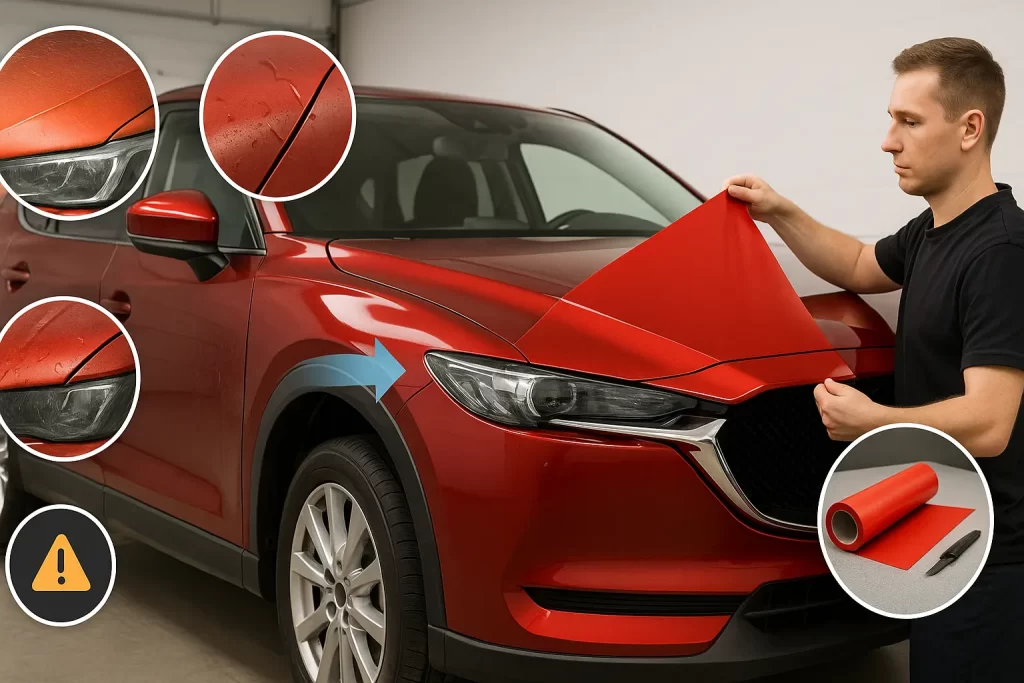
Knowing when to replace color TPU PPF is an essential part of the long-term ownership of a protected vehicle. A high-quality paint protection film is an incredibly durable product, designed to last for a decade or more. However, it is not a lifetime product. Over years of enduring sun, weather, and road debris, the film will gradually age. Eventually, a time will come when it has reached the end of its effective service life and should be replaced. Recognizing the signs of an aging or failing film is crucial for ensuring your vehicle's paint remains protected and its appearance stays pristine. This guide will provide a deep dive into the signs you should not ignore, exploring both end-of-life wear and tear and damage-related reasons for replacement.
Understanding the Lifespan of a Quality PPF
Before we look at the signs of failure, it is important to have a realistic understanding of a premium film's expected lifespan. Modern TPU films are a marvel of material science, but they are still subject to the laws of physics and chemistry. Their longevity is a testament to their advanced engineering, but it is not infinite.
The Role of the Manufacturer's Warranty (10-12 years)
The manufacturer's warranty is the best starting point for understanding a film's expected lifespan. Most top-tier brands offer a warranty of 10 to 12 years. This warranty covers specific product defects like yellowing, bubbling, cracking, and staining. This tells you that the manufacturer has designed and tested the film to perform without these failures for at least that period. The warranty period is a good general guideline for the film's intended service life.
Factors That Influence Longevity
The actual lifespan of a film can be influenced by several external factors. A film on a garaged vehicle in a mild climate will likely last much longer and look better than a film on a vehicle that is parked outside 24/7 in a harsh, sunny environment. The owner's maintenance routine also plays a huge role. A film that is cleaned regularly and properly cared for will far outlast one that is neglected. Diligent seasonal care for color ppf can significantly extend the film's aesthetic life.
The Difference Between Functional Life and Aesthetic Life
It is useful to think about two types of lifespan. The "functional life" is how long the film continues to provide a basic level of protection to the paint underneath. The "aesthetic life" is how long the film continues to look great. A high-quality film is designed for both of these to be very long. However, a film on a hard-driven vehicle may accumulate many small rock chips and pits over the years. It might still be functionally protecting the paint, but its aesthetic life may be diminished.
Why Replacement is a Normal Part of the Product Lifecycle
It is important to view the eventual replacement of PPF as a normal and positive part of the ownership experience. The film is a sacrificial barrier. Its job is to take the damage so that your paint does not. After a decade of service, it has done its job admirably. Replacing it is like getting a brand-new skin for your car, restoring a perfect finish and starting the clock on another ten years of protection.
Signs of Natural Aging: When the Film Reaches its End-of-Life
After many years of faithful service, a paint protection film will begin to show signs of natural aging. These are indicators that the materials have started to degrade after long-term exposure to the elements. These signs are a clear message that the film has reached the end of its intended lifespan and should be scheduled for replacement.
Here are the key signs of a naturally aging paint protection film:
- Discoloration: The film, whether clear or colored, may begin to take on a yellowed or brownish tint. The color may also appear faded or less vibrant than it used to.
- Cracking or Crazing: The surface of the film may begin to develop a network of fine cracks. This is a sign that the top coat is becoming brittle.
- Hazy or Cloudy Appearance: The film may lose its original clarity and gloss, taking on a dull, hazy, or cloudy look that cannot be washed off.
- Loss of Performance: The advanced features of the film will degrade. The self-healing ability will become less effective, and the hydrophobic, water-beading effect will diminish significantly.
Visual Sign 1: Discoloration and Fading
This is often the first and most obvious sign of an aging film, particularly for clear or light-colored films. The discoloration is a result of the very slow, long-term breakdown of the polymers and UV inhibitors in the film. After a decade of constant sun exposure, even the best film can start to show a slight shift in color. This is a clear indicator that the film's UV protection is nearing the end of its life and that it is time to replace the color TPU PPF.
Visual Sign 2: Cracking, Crazing, or Brittleness
A healthy PPF is a flexible, elastic material. As it ages and is exposed to countless cycles of heat and cold, the top coat can begin to lose its flexibility and become brittle. This can manifest as a network of tiny surface cracks, a phenomenon known as "crazing." If you see these fine lines appearing, it is a definitive sign that the film's top coat has failed and the entire film needs to be replaced.
Visual Sign 3: A Hazy or Cloudy Appearance
A new, high-quality PPF should be crystal clear (for a transparent film) or have a deep, rich color (for a colored film). As the film ages, it can sometimes develop a cloudy or hazy look. This can be caused by the slow degradation of the adhesive layer or the top coat. If the film has lost its clarity and looks dull even after a thorough wash, it is a sign that the materials are breaking down.
Performance Sign: Loss of Self-Healing and Hydrophobic Properties
The advanced features of the film are also an indicator of its health. A new film will heal light scratches with ease and will cause water to bead up into tight, perfect spheres. As the top coat ages and degrades, these properties will diminish. If you notice that swirl marks are no longer healing or that water is no longer beading well, it is a sign that the top coat is wearing out. While a deep clean and sealant can temporarily restore some hydrophobicity, a significant, permanent loss of performance is a sign of an old film.
Signs of Physical Damage: When Replacement is Forced
Sometimes, the decision to replace color TPU PPF is not due to old age, but due to significant physical damage. The film's job is to sacrifice itself, and sometimes it encounters a force that causes irreparable harm. When the film is compromised in this way, it must be replaced to ensure the paint underneath remains protected.
Deep Cuts, Tears, or Punctures
The self-healing feature can only repair light scratches. If the film sustains a deep cut that goes through the top coat and into the TPU core, it cannot be healed. This could be from a sharp object like a key, or from a significant scrape. Similarly, a tear or a puncture from a large, sharp rock will be permanent damage. These breaches in the film's surface create a weak point and a potential pathway for moisture to get underneath.
Significant Rock Chip Damage that Breaks the Film
A single, small rock chip will usually just leave a small impact mark on the film's surface while the paint underneath is unharmed. However, a very large or sharp rock, traveling at high speed, can sometimes hit with enough force to actually cut or puncture the film. If you have a rock chip that has broken the surface of the film, that panel should be replaced.
Large Abrasions from Scrapes or Accidents
If the vehicle is involved in a minor scrape, such as rubbing against a garage wall, a parking bollard, or another vehicle, the PPF will take the brunt of the damage. The film may be heavily abraded, torn, or completely removed in the affected area. While the paint underneath may be perfectly fine, the damaged film has done its job and must be replaced to restore the protective layer and the vehicle's appearance.
Why a Damaged Film is No Longer Protecting the Paint
Any time the film is cut, torn, or punctured, it creates an opening. This opening allows water, dirt, and chemicals to get underneath the film and make direct contact with your paint. This defeats the entire purpose of the protective layer. Furthermore, a tear or a cut can get worse over time. Water can get under the edge and cause the film to start peeling back from the point of damage. This is why any significant physical damage should be addressed by replacing the affected panel.
Installation-Related Failures That May Require Replacement
In some cases, the need for replacement may not be due to age or damage, but due to a failure of the installation itself. A poor-quality installation can lead to a variety of issues that may appear over time. These are typically covered by an installer's workmanship warranty.
Widespread Bubbling or Lifting
It is normal for a new installation to have some small water pockets that will disappear during the curing process. However, if the film develops a large number of bubbles or if the bubbles do not go away after several weeks, it is a sign of a problem. Widespread bubbling or large areas of the film lifting from the surface can be a sign of poor surface prep or a faulty application technique.
Peeling Edges That Cannot Be Re-adhered
The edges of the film are the most vulnerable points. A professional installer will wrap the edges to make them secure. If the edges were not properly applied or post-heated, they can begin to lift and peel back over time. If you have edges that are peeling and collecting dirt, it is a sign of an installation failure. While a small lift can sometimes be fixed, widespread peeling will require the panel to be replaced.
Significant Contamination Under the Film
A top-tier installation should have virtually no visible contamination under the film. If you have a film that has a large number of visible dust nibs, hairs, or other debris trapped underneath, it is a sign of a low-quality installation performed in a dirty environment. While these are cosmetic flaws, a high number of them might be a reason to have the work redone under the installer's warranty.
Differentiating Between a Workmanship Issue and an Aged Film
It is important to be able to tell the difference between a new film that is failing due to a bad installation and an old film that is failing due to natural aging. Installation-related issues will typically appear within the first few months to a year. Natural end-of-life failures, like cracking and yellowing, will only appear after many years of service, usually close to the end of the warranty period.
Elective Replacement: Choosing to Change Your Style
Not all replacements are due to failure or damage. Sometimes, an owner will choose to replace color TPU PPF for purely aesthetic reasons. One of the great benefits of the film is that it is completely reversible. This gives owners the freedom to change their mind and update their vehicle's look whenever they choose.
Wanting a New Color or Finish
An owner may simply get tired of their current color after a few years and want to try something new. The world of color PPF is constantly evolving, with new and exciting colors and finishes being released all the time. An elective replacement is a great way to give a vehicle a completely fresh look and a brand-new layer of protection at the same time.
Keeping Up with Current Automotive Trends
Automotive styling trends change over time. A color or finish that was popular five years ago may look dated today. An owner who is passionate about staying on the cutting edge of automotive fashion may choose to replace their film to embrace the latest trends. This is a great way to keep an older vehicle looking modern and current.
Preparing a Vehicle for Sale
When it is time to sell a vehicle, the owner has a powerful choice. If the installed color PPF is a unique or bold color, they may choose to have it removed to reveal the pristine, popular factory paint underneath. This will appeal to the broadest range of potential buyers. Alternatively, if the factory paint was not in great condition, replacing the old film with a new one in a popular color like gloss black or Nardo Grey can make the car look brand new and can significantly increase its appeal and value.
The Professional Removal Process
When it is time to replace color TPU PPF, the removal of the old film is just as important as the installation of the new one. This is a process that should always be handled by a professional. Improper removal can damage the underlying paint, defeating the purpose of the film's many years of protection.
Why Professional Removal is Crucial
A PPF is designed to stay on the car for a decade. Its adhesive forms a very strong bond. A professional installer has the tools and techniques to safely release this bond without harming the clear coat. An amateur trying to rip the film off can pull up paint, especially on repainted panels, or can leave behind a huge amount of stubborn adhesive residue.
The Use of Steam and Heat to Soften the Adhesive
The key to safe removal is heat. An installer will use a professional steamer or a heat gun to gently and evenly warm the panel. This heat softens the adhesive, weakening its bond with the paint. This allows the film to be removed with much less force.
The Proper Technique for Peeling the Film
Once the adhesive is softened, the installer will begin to peel the film back. This must be done slowly and at a very low angle. Pulling the film back on itself at a 180-degree angle is the safest technique. Pulling the film straight up at a 90-degree angle puts much more stress on the paint.
Cleaning the Paint After Removal
After the film is removed, there may be some small amounts of adhesive residue left on the surface. A professional will use a special, paint-safe adhesive remover to gently clean this off. After the residue is gone, the paint will be given a light polish to restore its maximum gloss and prepare it for the new film installation.
The Benefits of Replacing Your Old PPF
Replacing an old, worn-out, or damaged film with a fresh new layer comes with a host of benefits. It is a process of renewal that restores the vehicle's appearance and its level of protection.
Restoring a Perfect, Flawless Finish
The most obvious benefit is the restoration of a perfect, brand-new finish. A new layer of PPF will be free from all the small pits, scratches, and signs of wear that the old film had accumulated. It will make the vehicle look showroom-new again.
Upgrading to a Newer, More Advanced Film
PPF technology is always improving. By replacing a ten-year-old film, an owner has the opportunity to upgrade to a newer product with more advanced features. This might include a top coat with better stain resistance, faster self-healing, or superior hydrophobic properties.
Ensuring the Paint Remains Protected for Another Decade
By replacing the old, sacrificial layer with a new one, you are resetting the clock on your vehicle's protection. The new film will provide another 10 to 12 years of robust defense against the elements, ensuring that your original factory paint remains in pristine condition for the long haul. A key part of this is a proper cleaning routine and knowing how to prevent stains on ppf. Regular maintenance, including a good clean color ppf regimen and using the self healing repair ppf feature correctly, will maximize the life of the new film.
Final Thoughts
Knowing when to replace color TPU PPF is about being an observant and proactive vehicle owner. By regularly inspecting your film, you can identify the tell-tale signs of natural aging, such as cracking and discoloration, or the clear signs of physical damage. Replacement is a normal and healthy part of the product's lifecycle. It is an opportunity to restore a perfect finish, upgrade to the latest technology, and reset the clock on your vehicle's protection. When the time comes, always trust a professional to handle the removal and re-installation. This will ensure that your vehicle's paint remains perfectly preserved and that your new film looks flawless for the many years to come.


