



Popular Articles
Ultimate Guide to 360° Comprehensive Interior Detailing — Deep Clean, Sanitize and Protect Your Car’s Cabin
2026.02.04
Singapore Car Window Tinting Guide: Rules, Benefits, and How to Choose the Right Film
2026.02.04
The Complete Guide to Colour Wraps — Transforming Your Car’s Look with Style and Protection
2026.02.04

About Company
Colorfuul is a global leader in high-end automotive films, offering Color TPU PPF, Transparent PPF, PET Window Films, and Vinyl Wrapping. With exports to over 100 countries, we deliver consistent quality, competitive pricing, and professional service. Beyond production, we provide OEM/ODM customization, shaping the future of automotive aesthetics.
 mary@colorfuul.com
  86 13541196952
 How Can I Prevent My PPF from Yellowing on the Edges?
You can prevent Paint Protection Film (PPF) from yellowing on the edges by consistently removing road grime, applying a ceramic coating to seal the film pores, and avoiding wax products containing naphtha or kerosene. The "yellowing" on edges is often actually dirt trapped in the exposed adhesive line rather than the film itself failing. To stop this, gently clean the edges with a soft brush during washes and use a dedicated sealant to create a barrier against UV rays and contaminants. While high-quality TPU films are naturally resistant to yellowing, regular maintenance is the only way to keep the edges clear and invisible for the lifespan of the wrap.
Why Do PPF Edges Turn Yellow?
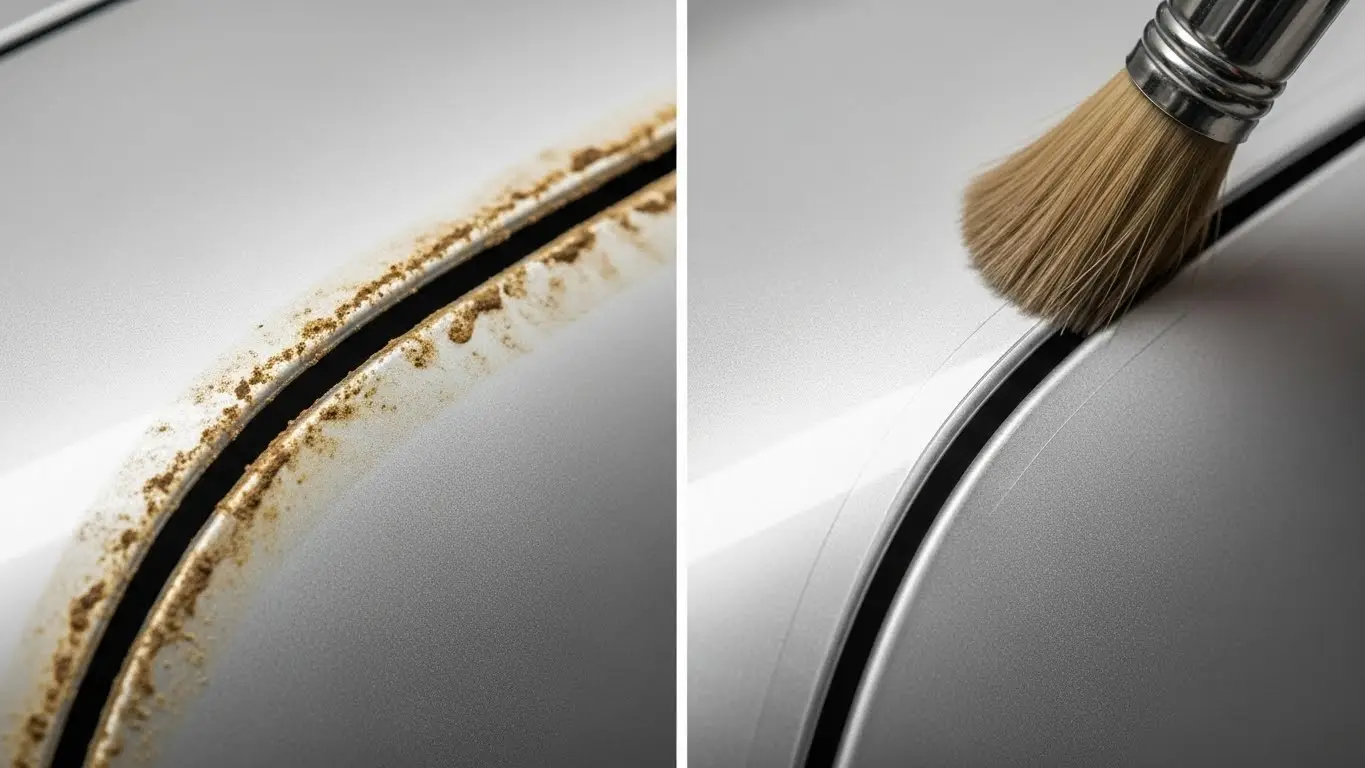
Understanding the root cause is the first step to prevention. Yellowing edges usually occur due to one of three reasons: UV exposure, chemical reactions, or embedded dirt.
The most common culprit for edge discoloration isn't the plastic turning yellow, but rather road oils, brake dust, and environmental fallout sticking to the microscopic line of adhesive exposed at the edge of the panel. If you don't clean this area frequently, these contaminants oxidize and turn a brownish-yellow color. Additionally, using harsh solvents or cheap carnauba waxes can chemically react with the polyurethane, accelerating discoloration.
The Role of Film Material
Not all films are created equal. Older PVC (Polyvinyl Chloride) films are notorious for yellowing quickly under sunlight. Modern TPU (Thermoplastic Polyurethane) films are chemically engineered to resist UV radiation. If you are noticing rapid yellowing, check if your installer used an aliphatic TPU film, which is stable against UV light.
How Often Should I Wash My Car to Prevent Yellowing?
Ideally, you should wash a car with PPF every two weeks to prevent contaminants from bonding to the film.
Regular washing flushes away the pollutants that try to nestle into the film's edges. Leaving bird droppings, bug splatter, or road tar on the film for extended periods allows acids to penetrate the topcoat.
When washing, pay special attention to the seams. Use a soft detailing brush to gently agitate the edges where the film ends. This dislodges dirt before it can stain the adhesive. For a complete walkthrough on safe washing techniques, check out our guide on how to wash a car with colored PPF.
Can Ceramic Coating Stop PPF from Yellowing?
Yes, applying a ceramic coating adds a vital layer of UV protection that significantly delays yellowing.
Think of ceramic coating as a sunscreen for your PPF. It fills the microscopic pores of the polyurethane, making it harder for dirt and oils to penetrate the surface. This is particularly effective for edges, as the coating seals the vulnerable adhesive line.
- Hydrophobic properties: Coating makes water bead up and roll off, carrying dirt with it.
- Chemical resistance: It protects the film from harsh detergents and acid rain.
- UV Shield: It blocks harmful rays that break down the film's adhesives.
For a deeper dive into long-term care, read our PPF maintenance guide.
Cleaning Stains and Grime from Edges
If you already see slight discoloration, don't panic. You can often remove surface stains using 70% Isopropyl Alcohol (IPA) or a dedicated PPF cleaner.
- Soak the area: apply a gentle cleaner and let it dwell for 30 seconds.
- Agitate: Use a microfiber towel or soft brush to lightly scrub the edge.
- Rinse: Flush thoroughly with water.
Warning: Never use abrasive compounds or heavy-duty clay bars on the edges, as these can lift the film or pack more debris into the adhesive line. If you are dealing with a matte finish, specific care is needed to avoid creating shiny spots; learn how to clean stains on matte PPF safely.
Comparison: TPU vs. PVC Yellowing Resistance
| Feature | TPU (Thermoplastic Polyurethane) | PVC (Polyvinyl Chloride) | TPH (Hybrid) |
| Yellowing Resistance | High (5-10 Years) | Low (1-2 Years) | Medium (2-4 Years) |
| Edge Stability | Excellent | Prone to shrinking | Good |
| Self-Healing | Yes | No | Limited |
| Price Point | Premium | Budget | Mid-range |
Does Parking Outside Cause PPF to Yellow Faster?
Yes, constant exposure to UV rays and heat will accelerate the oxidation process of both the film and the adhesive.
If you must park outside, use a car cover. Heat cycles cause the film to expand and contract, which can eventually cause the adhesive at the edges to pull back, attracting more dirt. This "dirt ring" is the most common form of edge yellowing.
- Park in the shade whenever possible.
- Use a high-quality sealant every 3 months if you don't have a ceramic coating.
- Rinse your car after rain to remove acidic fallout.
Frequently Asked Questions
Q: Can I use bleach to whiten yellowed PPF edges?
A: No, never use bleach. Bleach is too harsh and will dry out the polyurethane, causing it to crack and fail prematurely. It can also damage the vehicle's paint underneath.
Q: Is yellowing covered under warranty?
A: Most reputable brands (like XPEL, SunTek, or 3M) cover yellowing in their warranty, provided the film is TPU. However, they generally do not cover "edge dirt" which is a maintenance issue, not a material failure.
Q: Can I polish the yellow edges off?
A: You can lightly polish the surface of glossy PPF to remove embedded stains, but be extremely careful near the edges. A polisher spinning the wrong way can lift the edge of the film permanently.
Q: Why are my edges turning black instead of yellow?
A: Black edges are usually caused by excessive brake dust or road tar sticking to the adhesive. The cleaning process is the same: gentle agitation with a dedicated remover or IPA solution.
Key Takeaways
- Clean edges regularly: Use a soft brush during washes to stop dirt from embedding in the adhesive line.
- Seal the film: Apply a ceramic coating or dedicated PPF sealant to block UV rays and road oils.
- Know your material: TPU films resist yellowing for years, while PVC films will naturally yellow quickly.
- Avoid harsh chemicals: Stay away from kerosene-based waxes and abrasive compounds.
Conclusion
Preventing your PPF from yellowing on the edges is largely about hygiene and protection. By choosing a high-quality TPU film and maintaining a routine of bi-weekly washes and ceramic coating application, you can keep your protection invisible. Don't let dirt build up on the seams—tackle it early to ensure your investment keeps your car looking pristine for years to come.


